
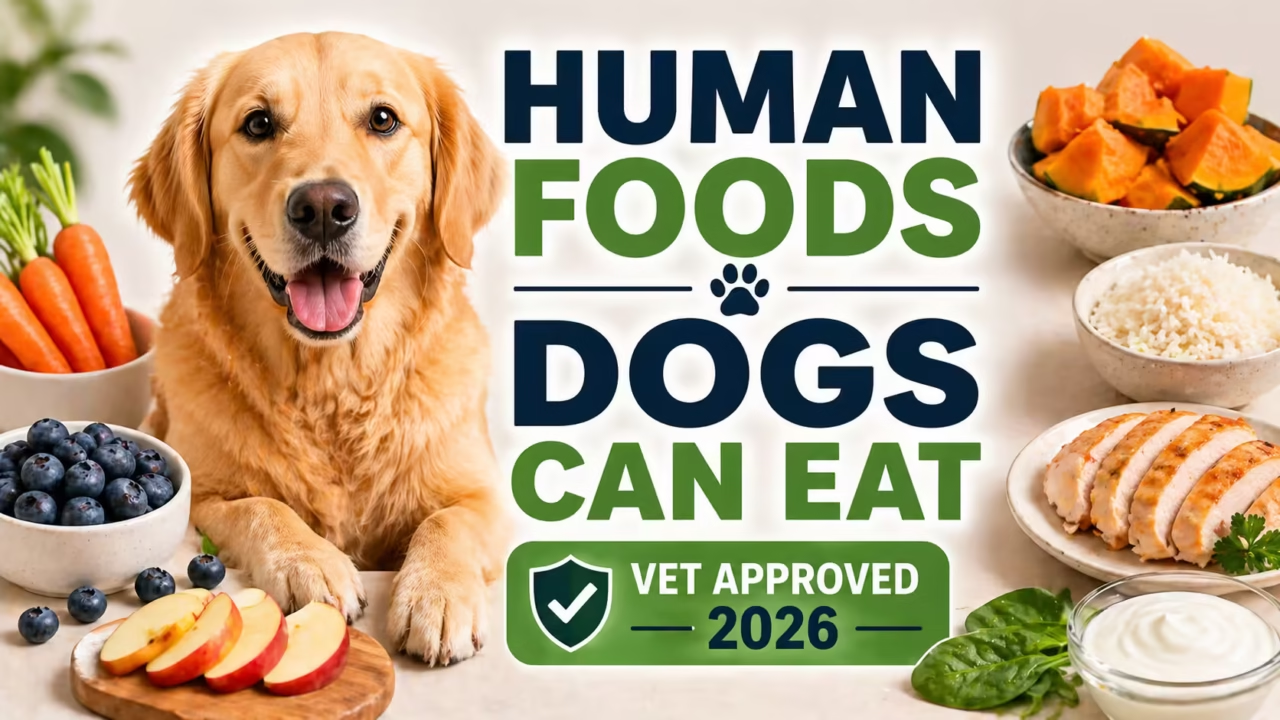
Yes, many human foods are safe for dogs to eat in moderation as a healthy treat. This guide provides a clear list of vet-approved options, instructions on how to prepare them safely, and a crucial list of toxic foods to always avoid. Remember, these should be occasional snacks, not meal replacements for a balanced dog food diet.
Dogs can eat many human foods safely as long as they are plain, properly prepared, and given in moderation. However, some foods are toxic and should always be avoided.
Quick Answer: Safe Human Foods for Dogs
Many human foods are safe for dogs when served plain and in moderation. Safe options include cooked chicken, carrots, green beans, apple slices (without seeds), and plain, canned pumpkin. Always introduce new foods slowly and consult your veterinarian. These foods should make up no more than 10% of your dog’s daily calories.
Best Safe Human Foods for Dogs (Quick List)
- Chicken (cooked, plain): High-quality protein
- Carrots: Low-calorie, rich in vitamins
- Blueberries: Antioxidant-rich treat
- Pumpkin: Supports digestion
- Eggs (fully cooked): Protein and nutrients
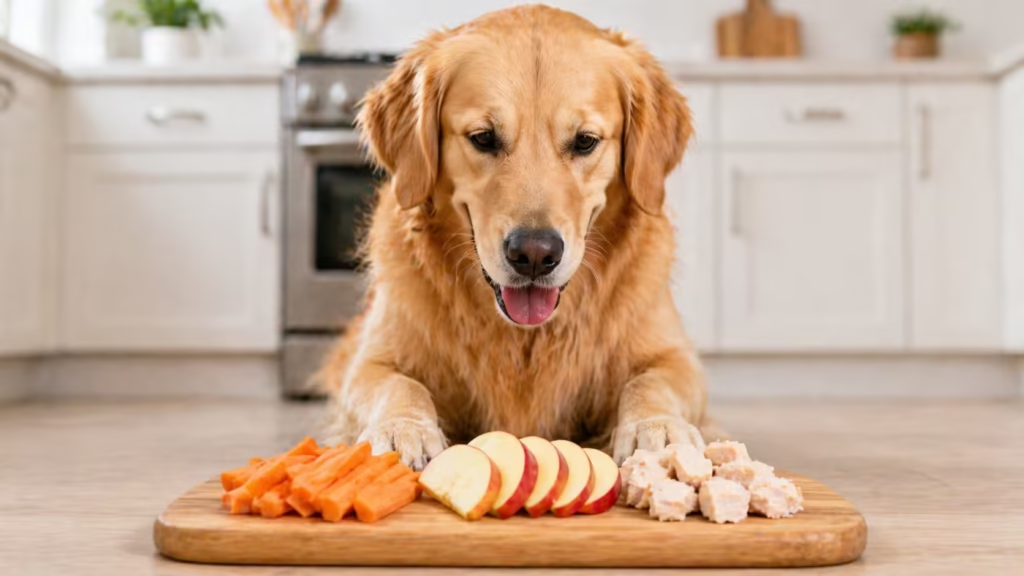
The Golden Rules for Sharing Food With Your Dog
Important: Even safe foods can be harmful if prepared incorrectly or fed in large amounts. Always follow proper portion and preparation guidelines.
Before you start sharing your snacks, it’s essential to follow a few safety-first principles. These rules help ensure that treats remain a healthy, positive part of your dog’s life.
The 10% Rule
Treats, including safe human foods, should never exceed 10% of your dog’s total daily caloric intake. The other 90% must come from a complete and balanced dog food to ensure they get the right nutrients. Overfeeding treats can lead to weight gain and unbalance their diet. For help with your dog’s core diet, see our guides on pet nutrition basics and calculating dog feeding amounts.
Preparation is Key
How you prepare food is as important as what you prepare. Foods should always be served plain. This means no salt, sugar, spices, oils, butter, or sauces. Ingredients commonly used in human cooking, like onions and garlic, are toxic to dogs.
Always Check With Your Vet
Before introducing any new food into your dog’s diet, it’s wise to consult your veterinarian. This is especially true for dogs with health conditions like diabetes, pancreatitis, or food allergies. Your vet can provide guidance tailored to your specific pet’s needs.
The Official List: Vet-Approved Human Foods for Dogs
Quick Reference Table
| Food | Safe? | Notes |
|---|---|---|
| Chicken | Yes | Cooked, no seasoning |
| Apples | Yes | Remove seeds |
| Chocolate | No | Toxic |
Here is a list of common human foods that are generally considered safe for dogs. Remember to follow all preparation guidelines.
Safe Vegetables for Dogs
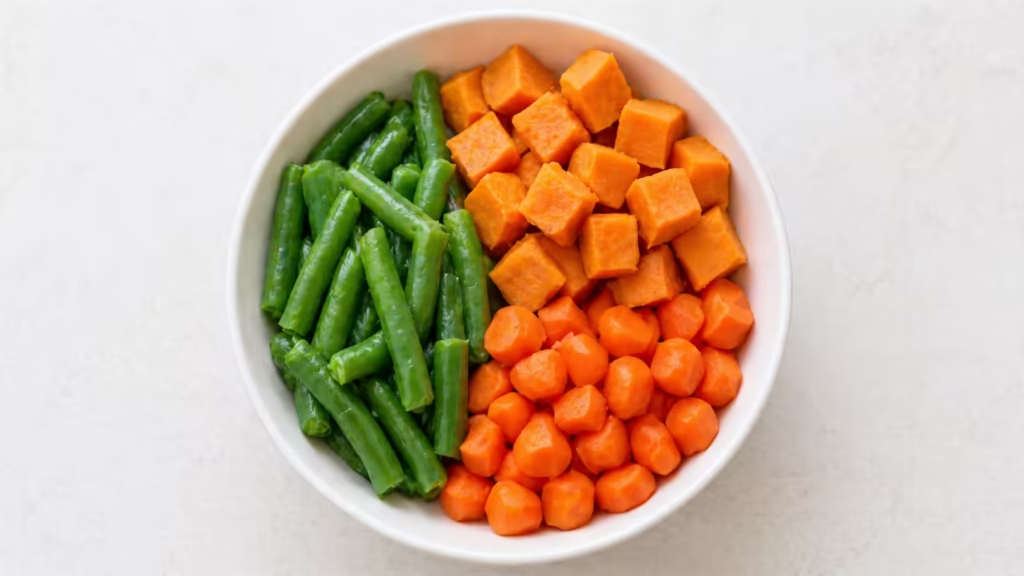
- Carrots: Great source of vitamin A. Serve raw or cooked, cut into bite-sized pieces.
- Green Beans: A good source of fiber and vitamins. Serve plain (steamed or raw), ensuring they are unseasoned.
- Pumpkin: Plain, canned pumpkin (not pie filling) is excellent for digestive health. A spoonful can help with both constipation and diarrhea.
- Sweet Potatoes: High in fiber and vitamins. Serve cooked and plain, with the skin removed.
- Broccoli: In small quantities, broccoli is a vitamin-rich treat. Serve steamed or raw, cut into small pieces.
Safe Fruits for Dogs
- Apples: A good source of vitamins A and C. Serve in slices with the core and all seeds removed, as seeds contain cyanide.
- Bananas: High in potassium and vitamins, but also high in sugar. Serve in small pieces as an occasional treat.
- Blueberries: A great low-calorie treat packed with antioxidants.
- Watermelon: Very hydrating and rich in vitamins. Serve without the rind or seeds.
Safe Proteins for Dogs
- Chicken & Turkey: Cooked, unseasoned, and boneless chicken or turkey is a great source of protein. Never feed cooked bones, as they can splinter.
- Beef: Plain, cooked ground beef or lean cuts are fine in moderation. Ensure all excess fat is drained off.
- Eggs: Fully cooked eggs are a wonderful source of protein. Never feed raw eggs.
- Salmon: Cooked, plain salmon is a great source of omega-3 fatty acids. Ensure it’s boneless.
Safe Grains & Legumes for Dogs
- Rice: Plain cooked white or brown rice can be soothing for an upset stomach.
- Oatmeal: Cooked, plain oatmeal is a good source of soluble fiber. Ensure it contains no added sugar or flavorings.
- Peanut Butter: Unsalted peanut butter without xylitol is a favorite treat for many dogs. Always check the label for xylitol, which is highly toxic.
How to Safely Prepare and Serve Human Foods
Follow these steps to ensure any human food you offer your dog is safe and healthy.
-
- Wash Thoroughly: Wash all fruits and vegetables to remove pesticides and dirt.
- Cook Plainly: Cook all meats, fish, and eggs without any salt, oil, seasonings, or butter. Steam or boil vegetables if you aren’t serving them raw.
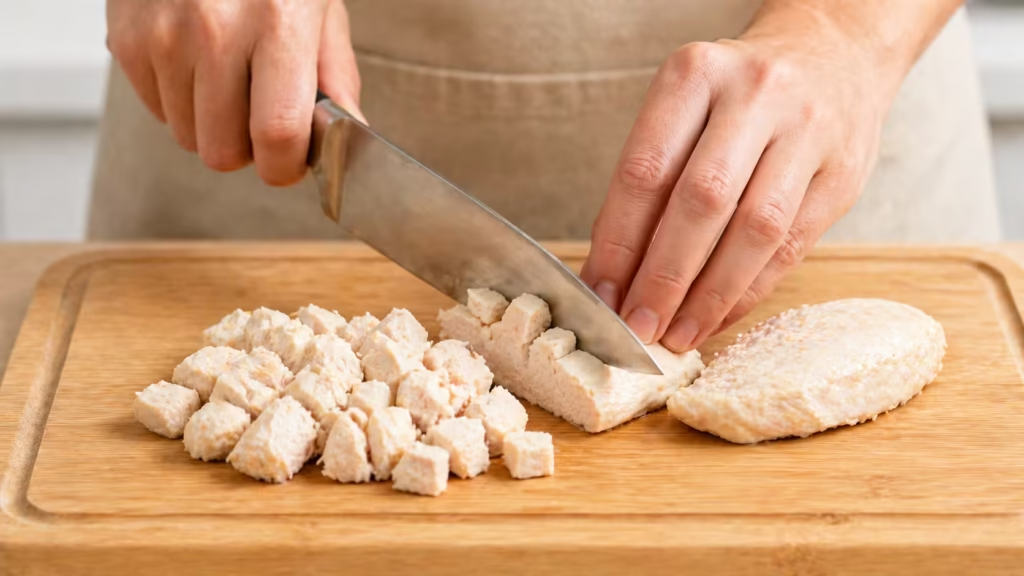
- Remove Hazards: Take out all seeds, pits, stems, and cores from fruits. Remove all bones from meat and fish.
- Cut into Bite-Sized Pieces: To prevent choking, cut food into a size that is appropriate for your dog.
- Introduce New Foods Slowly: Offer just one new food at a time in a small amount. This helps you monitor for any adverse reactions or allergies.
Warning Signs: When to Stop and Call the Vet
Even with safe foods, some dogs may have an individual intolerance or allergic reaction. Stop feeding the new food and contact your veterinarian immediately if you notice any of the following signs:
- Vomiting or diarrhea
- Lethargy or weakness
- Excessive scratching, licking, or skin irritation
- Gas and bloating
- Difficulty breathing or coughing
Human Foods Dogs Should Never Eat
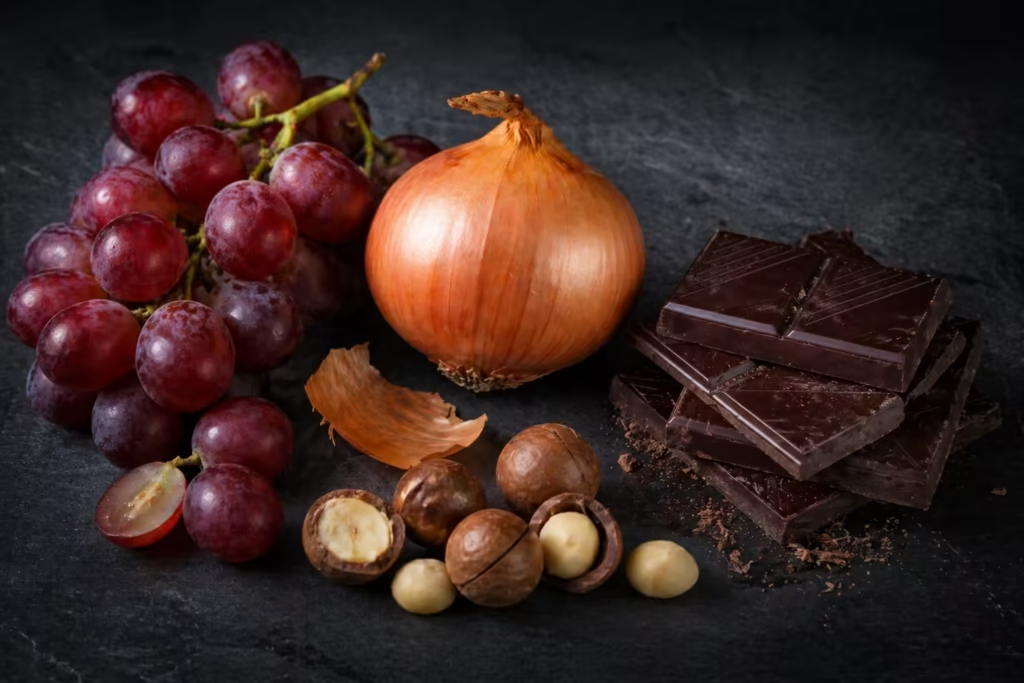
Some human foods are toxic to dogs and can cause severe illness or even death. This list is not exhaustive, but it covers some of the most common dangers. Keep these items securely away from your pet.
- Chocolate
- Grapes and Raisins
- Onions, Garlic, and Chives
- Xylitol (an artificial sweetener found in many products)
- Macadamia Nuts
- Alcohol
- Caffeine
- Cooked Bones
For a comprehensive overview, read our full guide on dangerous foods for dogs.
Looking for a Complete Diet?
While human foods can be healthy treats, your dog’s main diet should come from complete and balanced dog food.
Conclusion: A Balanced Diet is Best
Sharing safe, healthy human foods can be a fun way to bond with your dog. The keys are moderation, safe preparation, and sticking to the 10% rule. The foundation of your dog’s health is a complete and balanced diet formulated for their needs. For more on building the perfect meal plan, explore our guides on how to choose dog food and the differences between wet vs dry dog food.
Frequently Asked Questions
Can dogs eat cheese?
Many dogs can eat cheese in very small quantities as a high-value treat. However, some dogs are lactose intolerant. Opt for low-fat varieties like mozzarella or cottage cheese and avoid blue cheeses.
What about nuts and seeds?
This is a tricky category. While plain, unsalted peanut butter is often safe in moderation, many nuts like macadamia nuts are toxic. Seeds can also pose a choking hazard or contain harmful substances. It’s best to be cautious and consult your vet.
How much human food is too much for a dog?
Veterinarians recommend the 10% rule: treats, including safe human foods, should not make up more than 10% of your dog’s total daily calorie intake to avoid unbalancing their diet and causing weight gain.
Can puppies eat the same human foods as adult dogs?
Puppies have very specific nutritional needs for growth and more sensitive digestive systems. It’s best to stick to their puppy-specific food and avoid human foods until they are older, unless specifically recommended by your veterinarian.
Are seasoned or cooked foods from my plate okay for my dog?
No. Food prepared for humans often contains high levels of salt, oils, butter, and seasonings like onion or garlic powder, which are harmful or toxic to dogs. Only serve plain, unseasoned foods.