
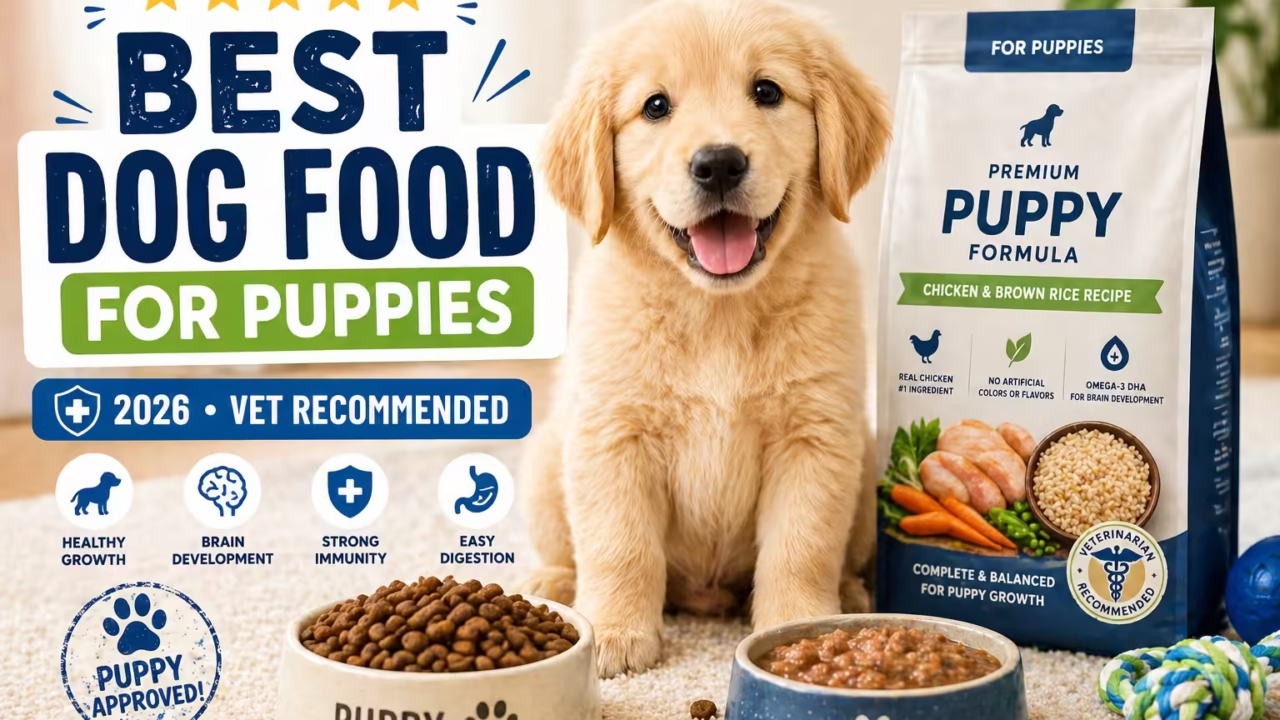

The best puppy food in 2026 includes Purina ONE +Plus High Protein, Royal Canin, and Blue Buffalo — all designed to support healthy growth, digestion, and brain development.
Choosing the right food is one of the most important decisions for your new puppy’s health. For most puppies, we recommend Purina ONE +Plus High Protein Puppy Food as the best overall choice for its high-quality ingredients, digestibility, and affordable price.
However, the best food depends on your puppy’s specific needs, including their breed, size, and any sensitivities. This guide reviews the top vet-recommended and owner-approved puppy foods to help you find the perfect nutritional foundation for your growing companion.
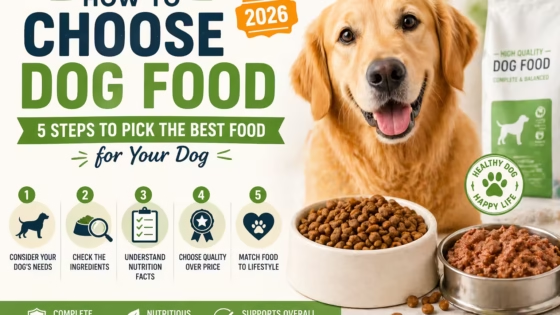
Not sure how to evaluate dog food? Start with our guide on how to choose dog food.
Quick Recommendation
In a hurry? Here are our top picks for the best puppy foods at a glance:
- Best Overall: Purina ONE +Plus High Protein Puppy Food
- Best for Sensitive Stomachs: Purina ONE +Plus Wet Puppy Food
- Best for French Bulldogs: Royal Canin French Bulldog Puppy Food
- Best for Small Breeds: Blue Buffalo Small Breed Puppy Food
- Best for Picky Eaters: Stella & Chewy’s Freeze-Dried Raw Dog Food
The best puppy food depends on your puppy’s breed size, dietary needs, and eating habits.
Comparison: 2026’s Best Puppy Foods
Compare our top-rated puppy foods side-by-side to see which formula best fits your puppy’s needs.
| Product | Best For | Food Type | First Ingredient | Price |
|---|---|---|---|---|
| Purina ONE +Plus High Protein | Overall Growth Support | Dry Kibble | Chicken | $21.18 |
| Purina ONE +Plus Wet | Picky Eaters & Sensitive Stomachs | Wet Pâté | Lamb And Chicken Broth | $28.56 |
| Royal Canin French Bulldog | French Bulldog Puppies | Dry Kibble | Brewers rice | $26.99 |
| Blue Buffalo Small Breed | Small Breed Puppies | Dry Kibble | Deboned Chicken | $12.48 |
| Stella & Chewy’s Freeze-Dried | Raw Diets & Picky Eaters | Freeze-Dried Raw | Chicken With Ground Bone | $9.22 |
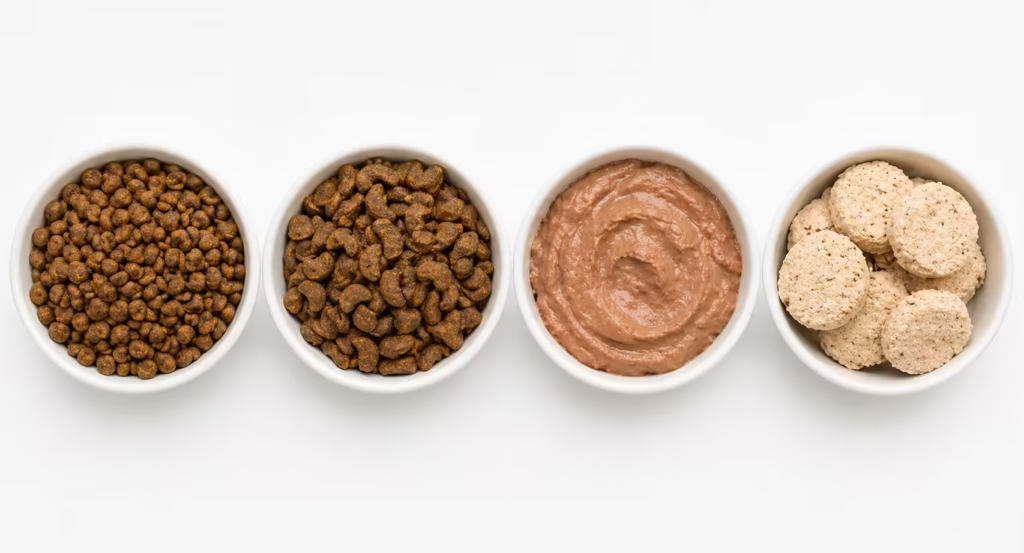
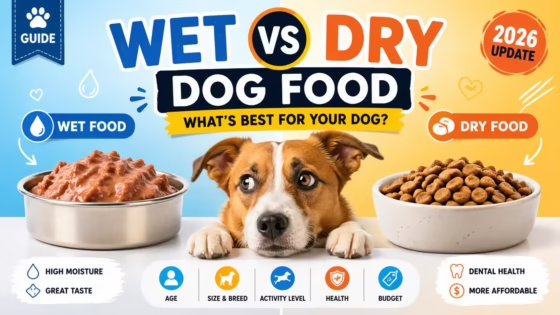
Compare food types here: wet vs dry dog food.
Our Top Puppy Food Picks Reviewed
Here’s a detailed look at why these foods made our list, who they’re best for, and the key pros and cons to consider.
All products in this guide are selected based on ingredient quality, nutritional standards, and veterinary guidelines.
Best Overall: Purina ONE +Plus High Protein Puppy Food
Purina ONE +Plus High Protein Puppy Food Review

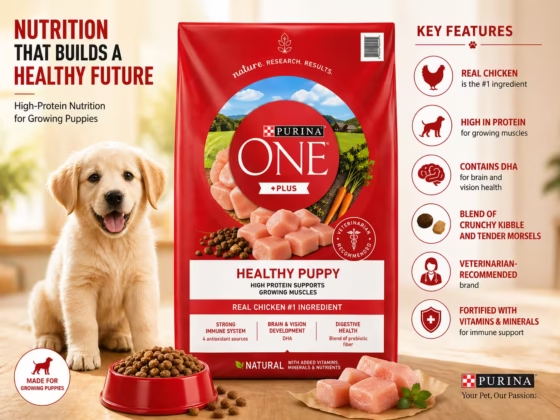
A veterinarian-recommended, high-protein puppy food that earns top marks from pet owners for its high digestibility, palatability, and budget-friendly price. With real chicken as the first ingredient and added DHA, it offers a strong nutritional foundation for healthy growth, proving especially reliable for puppies with sensitive stomachs.
Pros
- Highly palatable; puppies love the dual-texture formula
- Gentle on sensitive stomachs, promoting solid stools
- Excellent value for a veterinarian-recommended brand
- Real chicken is the first ingredient
- Improves coat shine and energy levels, per owner reviews
Cons
- Contains corn, soy, and chicken by-product meal
- Not a grain-free formula for puppies with specific allergies
This veterinarian-recommended formula is our top pick because it delivers high-quality, targeted nutrition at an accessible price point. With real chicken as the first ingredient and DHA for brain development, it provides a strong foundation for healthy growth. Thousands of owner reviews praise its high palatability and how gentle it is on sensitive stomachs, making it a reliable choice for the vast majority of puppies.
Best for Sensitive Stomachs: Purina ONE +Plus Wet Puppy Food
Purina ONE +Plus Wet Puppy Food Review (2026)

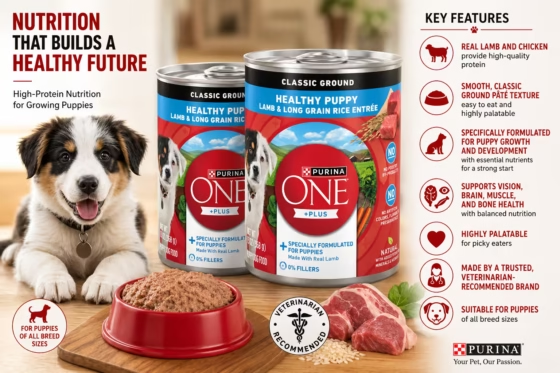
A vet-approved, high-protein pâté that picky puppies and those with sensitive stomachs devour. Its smooth texture is perfect for weaning, mixing with kibble, or as a complete meal to support healthy growth, though some shipments arrive with dented cans.
Pros
- Excellent for picky eaters; puppies consistently love the taste.
- Gentle formula is well-tolerated by puppies with sensitive stomachs.
- Smooth, ground texture is perfect for weaning or mixing with dry kibble.
- Made by a trusted, vet-approved brand, offering peace of mind.
- Visible ingredients like carrots and spinach are a plus for many owners.
Cons
- Multiple customers report receiving dented cans in their shipment.
- Higher price point compared to some other wet puppy foods.
- A small number of owners noted their picky dogs still refused to eat it.
- Some owners prefer brands with different nutritional philosophies or ingredient profiles.
For puppies with digestive issues or those who are particularly picky, this wet food pâté is an excellent solution. The smooth texture is easy for young puppies to eat, and the formula is known for being well-tolerated. It can be served as a complete meal or mixed with kibble to entice fussy eaters, providing the same vet-approved nutritional quality as Purina’s dry food lines.
Best for French Bulldogs: Royal Canin French Bulldog Puppy Food
Royal Canin French Bulldog Puppy Food Review 2026

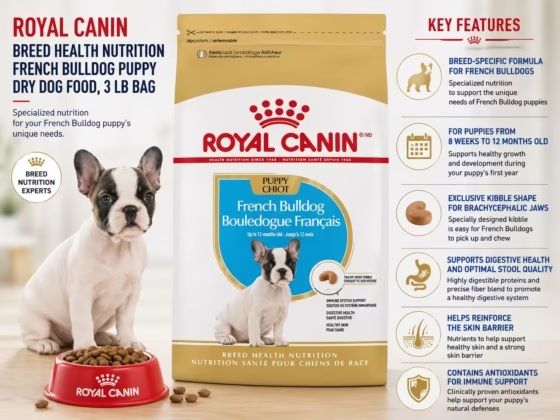
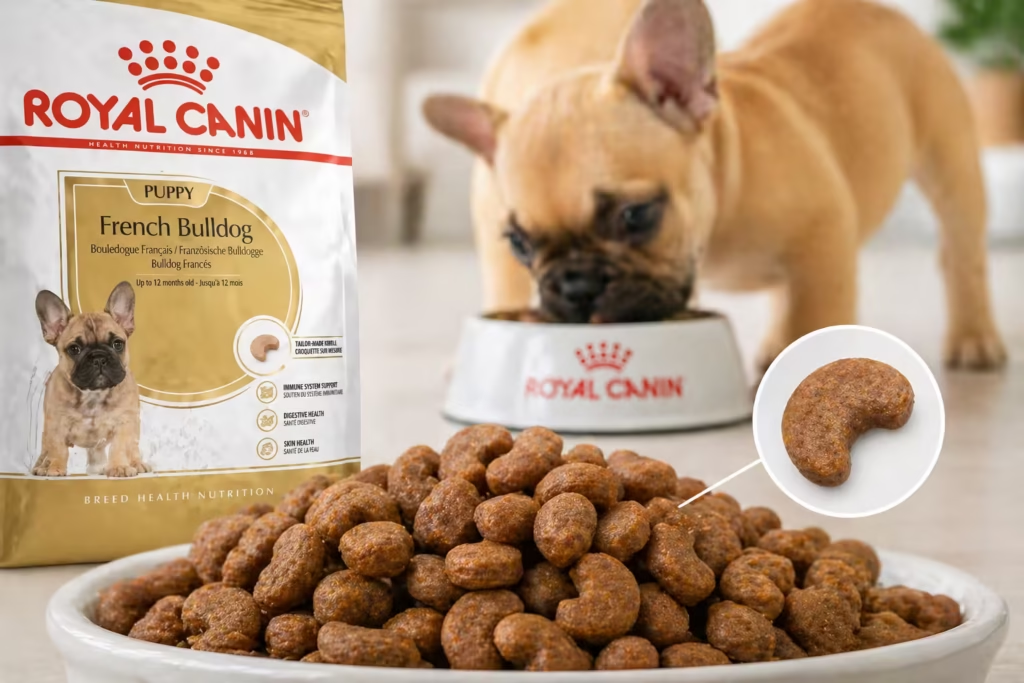
Royal Canin's French Bulldog Puppy formula is a premium, breed-specific dry food designed to tackle common Frenchie challenges. Its custom half-moon kibble is a standout feature, making it easier for flat-faced puppies to eat. Thousands of owner reviews confirm its high palatability for picky eaters and its effectiveness in improving digestive health, leading to better stool quality. While priced higher than average, it's a trusted choice for owners prioritizing targeted nutrition for their puppy's first year.
Pros
- Excellent for picky eaters; high palatability reported by many owners.
- Custom kibble shape is genuinely easier for Frenchies to eat.
- Effectively improves digestive issues, leading to firmer, more consistent stools.
- Contributes to a visibly shinier and healthier coat.
Cons
- Premium price point is higher than many other puppy foods.
- Contains chicken, which can be a common allergen for some French Bulldogs.
French Bulldogs have unique needs, and this breed-specific formula is designed to meet them. Its standout feature is the custom half-moon kibble, engineered for a Frenchie’s short jaw to make eating easier. The recipe also focuses on highly digestible proteins to support their notoriously sensitive digestive systems, with many owners reporting a significant improvement in stool quality.
Best for Small Breeds: Blue Buffalo Small Breed Puppy Food
Blue Buffalo Small Breed Puppy Food Review (2026)
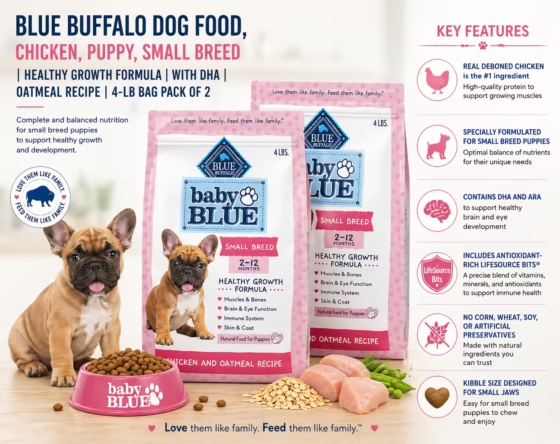
A top-rated choice for small breed puppies, this Blue Buffalo formula features real deboned chicken as its first ingredient. It's packed with DHA for cognitive development and has a tiny kibble size that owners say is perfect for little mouths. Highly praised by thousands of customers for its quality ingredients and gentle digestion, it's a reliable option for a puppy's crucial growth stages.
Pros
- High-quality protein from real deboned chicken
- Tiny kibble size is consistently praised by owners
- Rich in DHA and ARA for cognitive development
- Highly digestible; well-tolerated by sensitive stomachs
- Free from common allergens like corn, wheat, and soy
Cons
- Premium price point compared to standard puppy foods
- Some reviews note that very picky eaters may not like it
Small breed puppies have high energy needs and require a nutrient-dense food with a tiny kibble size. Blue Buffalo delivers on both fronts. Starting with deboned chicken and avoiding common fillers like corn and wheat, this formula is packed with DHA for cognitive development. The small kibble is consistently praised by owners as being perfect for tiny mouths.
Best for Picky Eaters: Stella & Chewy’s Freeze-Dried Raw Dog Food
Stella & Chewy’s Freeze-Dried Raw Dog Food Review 2026
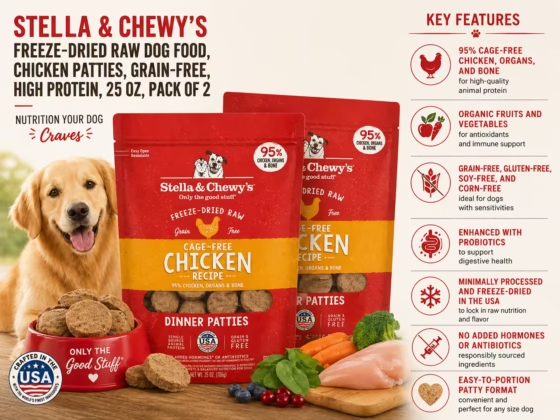

A highly palatable, freeze-dried raw food that wins over picky eaters. It's a nutrient-dense meal or topper, but be aware the patties often crumble in the bag.
Pros
- Exceptionally palatable; a proven solution for picky eaters
- High-quality, minimally processed recipe with real chicken and organs
- Versatile for use as a complete meal, topper, or treat
- Supports digestive health, with many owners reporting firmer stools
- Formulated for all life stages, from puppies to seniors
Cons
- Premium price point is significantly higher than traditional kibble
- Patties are very fragile and frequently arrive crumbled or as powder
- Rehydration is recommended, adding an extra step to meal prep
If your puppy turns their nose up at everything, Stella & Chewy’s is a proven winner. Made with 95% chicken, organs, and bone, the freeze-drying process locks in the rich flavor and nutrients of raw food. While it’s a premium price, its versatility is a major plus—use it as a complete meal, a high-value training treat, or crumble it over kibble as a topper to guarantee a clean bowl.
Decoding Puppy Food Labels: A Closer Look at Ingredients
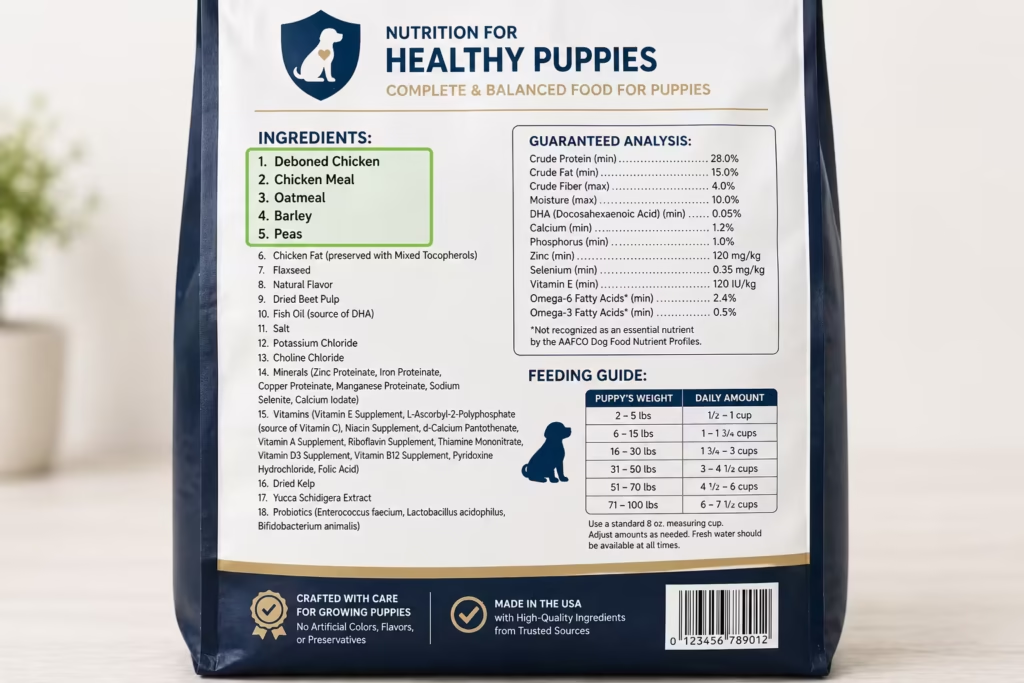
Understanding the ingredient panel is key to choosing a quality food. Here’s what to look for based on our top picks:
- High-Quality First Ingredient: Look for a named animal protein like ‘Deboned Chicken’ (Blue Buffalo) or ‘Chicken’ (Purina ONE) at the top of the list. This indicates the primary protein source.
- Key Developmental Nutrients: Ingredients like fish oil or menhaden fish meal provide DHA and ARA, essential fatty acids for brain and eye development. These are highlighted in the Blue Buffalo and Purina ONE formulas.
- Protein & By-Products: Protein can come from whole meat, meat meals (a concentrated form), or by-products. While some owners avoid them, by-product meals from a reputable brand can be a nutritious source of protein and minerals.
- Grains & Carbohydrates: Healthy grains like oatmeal, barley, and rice provide energy. Foods like Blue Buffalo avoid corn and wheat, which can be allergens for some dogs. Grain-free options like Stella & Chewy’s use ingredients like pumpkin seed and organic fruits/vegetables.
- Digestive Support: Probiotics (found in Stella & Chewy’s) and highly digestible proteins (a focus of Royal Canin’s formula) help maintain gut health and optimal stool quality.
How to Choose the Best Food for Your Puppy
Beyond our recommendations, consider these factors when making your choice:
- Breed Size: Large and small breed puppies have different caloric and mineral needs. Choose a formula specifically designed for your puppy’s expected adult size to support proper growth.
- Dietary Needs: If your puppy has a sensitive stomach or known allergies, look for limited-ingredient diets or formulas free from common triggers like chicken or corn.
- Consult Your Veterinarian: Always discuss your puppy’s diet with your vet. They can provide personalized recommendations based on your puppy’s health, breed, and lifestyle.
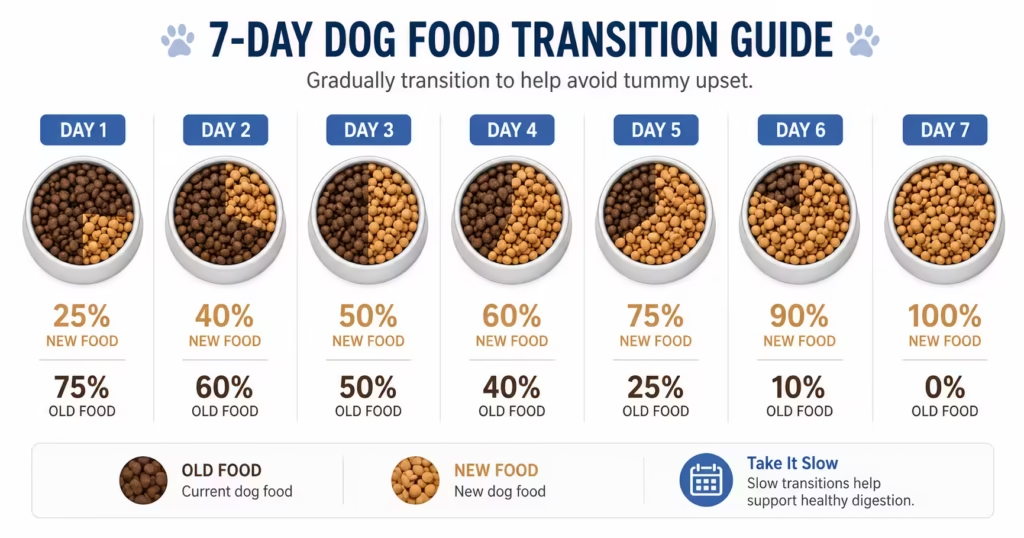
- Transition Slowly: When switching foods, do it gradually over 7-10 days. Mix a small amount of the new food with the old, slowly increasing the ratio to prevent digestive upset.
Frequently Asked Questions About Puppy Food
How much should I feed my puppy?
The best place to start is the feeding guide on the food packaging, which provides recommendations based on your puppy’s age and weight. However, these are just guidelines. You may need to adjust the amount based on your puppy’s activity level and body condition. It’s always a good idea to consult your veterinarian to establish the right portion size.
When should a puppy switch from puppy food to adult dog food?
The transition to adult food depends on breed size. Small breeds typically mature faster and can switch around 9 to 12 months. Medium breeds are usually ready around 12 months, while large and giant breeds should continue on puppy food until they are 12 to 18 months old to ensure proper skeletal development.
Is grain-free food better for puppies?
Not necessarily. Grains like oatmeal and brown rice are excellent sources of energy and nutrients. A grain-free diet is primarily beneficial for puppies with a confirmed grain allergy or sensitivity, which is uncommon. If you are considering a grain-free diet, discuss the benefits and potential risks with your veterinarian.
What ingredients should I avoid in puppy food?
Look out for vague ingredients like “meat and bone meal” without a specified source. It’s also wise to avoid artificial colors, flavors, and chemical preservatives like BHA, BHT, and ethoxyquin. Additionally, be aware of foods that are toxic to all dogs, such as xylitol, onions, garlic, grapes, and raisins.
Can I mix wet and dry puppy food?
Yes, mixing wet and dry food is a great way to increase your puppy’s hydration and make meals more appealing, especially for picky eaters. If you choose to mix foods, be sure to calculate the total caloric intake to avoid overfeeding. Reduce the amount of kibble to account for the calories in the wet food.
What is the difference between puppy food and ‘all life stages’ food?
Puppy-specific formulas are designed with higher levels of protein, fat, calories, and specific nutrients like DHA to support rapid growth and development. An ‘all life stages’ formula is designed to meet the minimum nutritional requirements for all dogs, from puppies to seniors. While suitable for puppies, it may not be as precisely optimized for their growth phase as a dedicated puppy food.
Explore more recommendations: