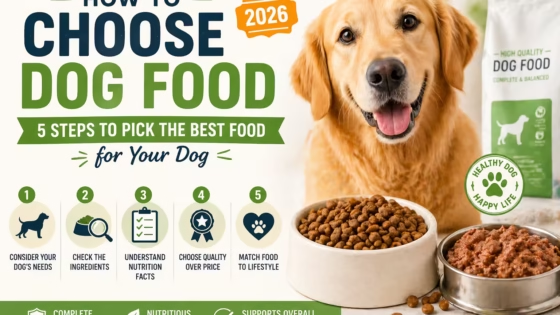

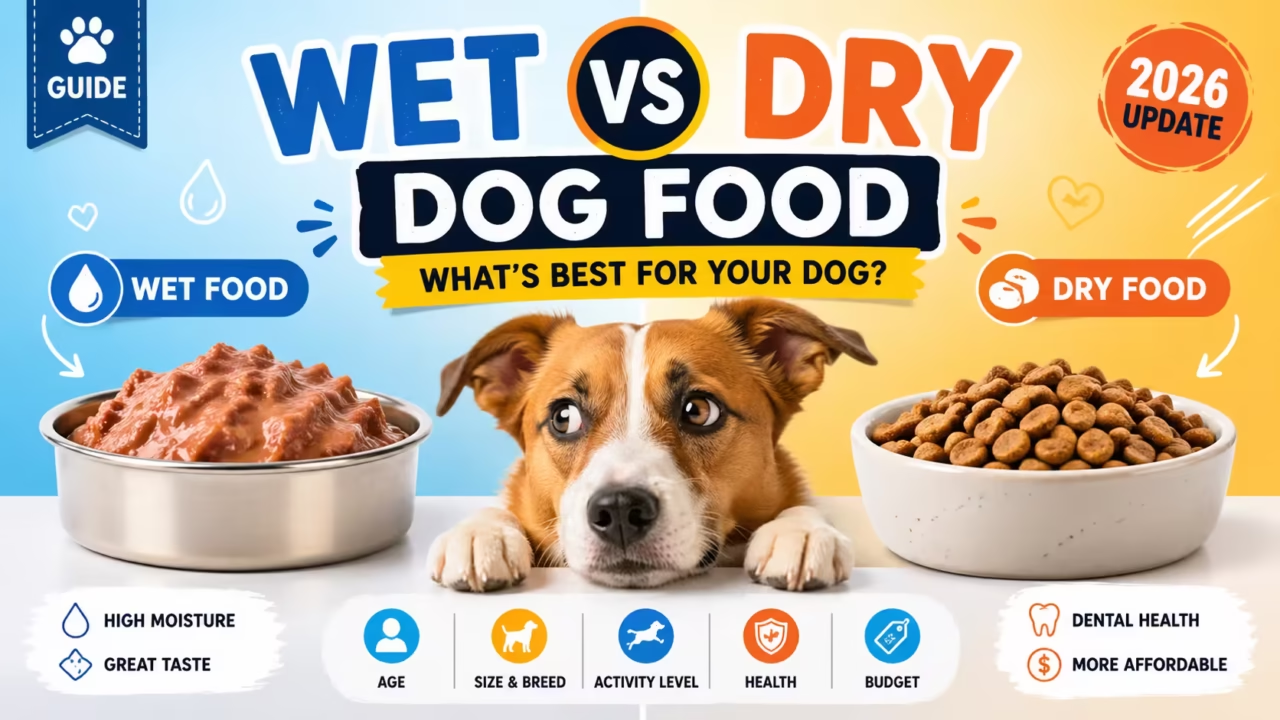
Choosing between wet and dry dog food isn’t about finding a single ‘best’ option, but about what’s right for your dog’s specific age, health needs, and your family’s lifestyle. Both canned and kibble formulas can provide complete and balanced nutrition when you choose a quality product. This guide provides a clear framework to help you compare the key differences and make an informed decision for your pet’s well-being.
Quick Answer: What’s the Difference?
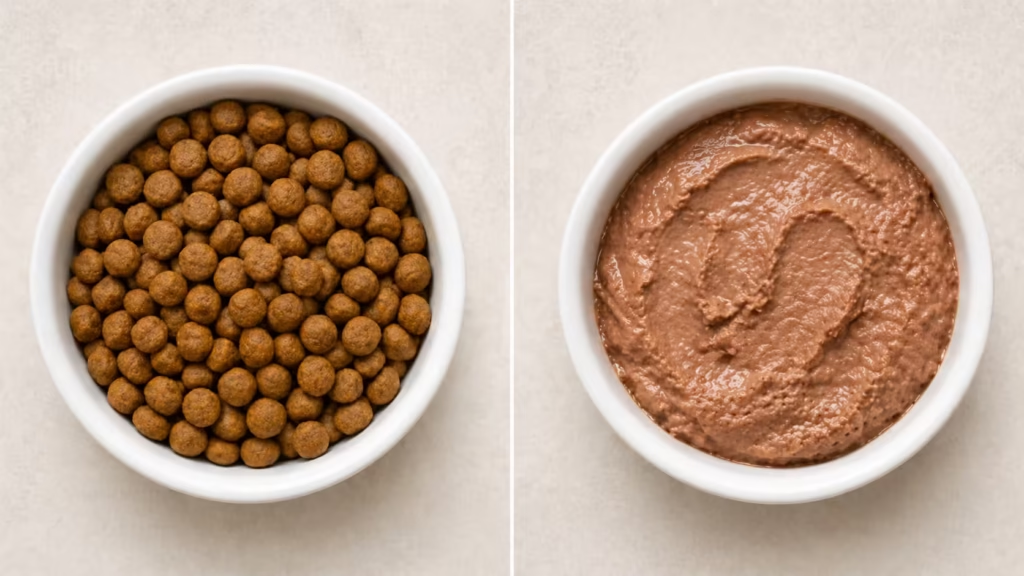
Dry dog food, or kibble, has a very low moisture content (around 10%). It is calorie-dense, convenient to store and serve, generally more affordable, and its abrasive texture can help with dental hygiene. Wet dog food has a high moisture content (around 75%), making it excellent for hydration and highly palatable for picky eaters, but it is more expensive and requires refrigeration after opening.
Quick Recommendation
- Choose DRY food for: Most healthy adult dogs, budget-conscious owners, convenient feeding schedules, and as a tool to help support dental health.
- Choose WET food for: Picky eaters, dogs who need more hydration (like those with urinary or kidney issues), senior dogs with dental problems, puppies being weaned, or dogs with a low appetite.
A Deep Dive into Dry Dog Food (Kibble)
Dry food is the most popular choice for dog owners, largely due to its convenience and affordability. Let’s break down its specific strengths and weaknesses.
Advantages of Dry Food
- Cost-Effective: On a per-serving basis, kibble is significantly less expensive than wet food.
- Easy Storage & Long Shelf Life: An unopened bag can be stored for months. Once opened, it stays fresh for weeks when stored properly in a cool, dry place.
- Convenient & Clean: It’s simple to measure portions, creates less mess, and works well with automatic feeders and food puzzles.
- Dental Benefits: The hard, crunchy texture creates an abrasive action against the teeth as your dog chews, which can help reduce plaque and tartar buildup.
- Variety: Kibble is available in a vast range of formulas tailored to different breeds, sizes, life stages, and health needs.
Disadvantages of Dry Food
- Low Moisture: Its low water content can be a drawback for dogs prone to dehydration or urinary tract problems.
- Less Palatable: Some dogs, especially picky ones, find the aroma and texture of kibble less appealing than wet food.
- Hard Texture: The hardness can be challenging for senior dogs, puppies, or any dog with dental pain or missing teeth.
- Potential for More Fillers: Some lower-quality kibbles may rely more heavily on carbohydrate fillers to create the extruded pellet shape.
A Deep Dive into Wet Dog Food
Often sold in cans or pouches, wet food offers a completely different texture and nutritional profile that can be a game-changer for certain dogs.
Advantages of Wet Food
-
- High Moisture Content: This is the biggest benefit. It helps keep your dog hydrated, which supports kidney function and overall urinary tract health.
- Highly Palatable: The strong aroma and soft texture are very enticing for picky eaters, seniors with a decreased sense of smell, or dogs who are unwell and have a poor appetite.
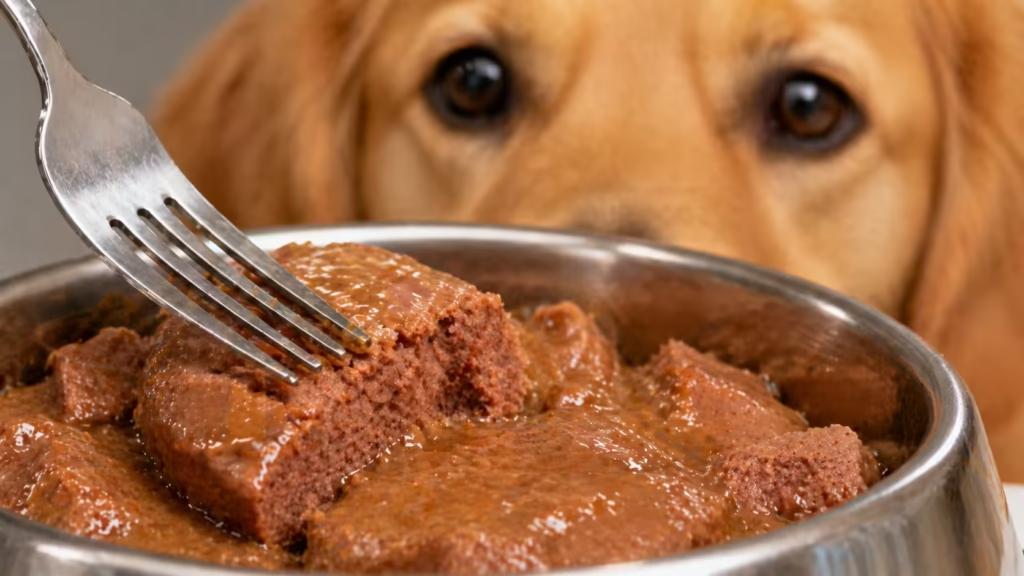
- Easier to Eat: The soft consistency is ideal for puppies, senior dogs, and those with sensitive teeth, jaw pain, or other oral issues.
- Often Higher in Protein: Many wet food formulas contain higher concentrations of animal protein and fewer carbohydrates compared to kibble.
Disadvantages of Wet Food
- More Expensive: Due to higher meat content and complex packaging, wet food costs significantly more per calorie than dry food.
- Short Shelf-Life: Once opened, a can must be covered, refrigerated, and used within about three days.
- Can Contribute to Dental Issues: The soft texture does nothing to scrape teeth clean and can sometimes stick in crevices, potentially worsening dental problems without a consistent brushing routine.
- Messier: Serving and storing wet food can be less convenient and messier than scooping kibble.
How to Compare Labels: A Nutritional Showdown
Reading a dog food label can feel confusing, but focusing on a few key areas will tell you almost everything you need to know.
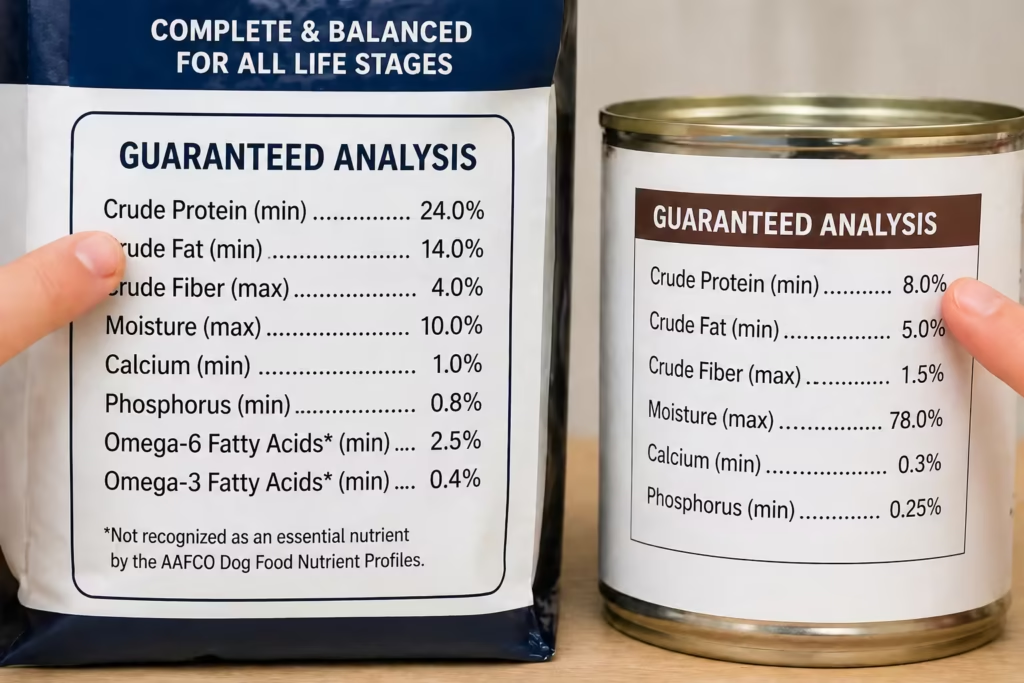
Moisture and Calorie Density
You cannot directly compare the protein percentage on a can of wet food to a bag of dry food. Because wet food is ~75% water, its protein percentage will look much lower. To get a true comparison, you’d need to convert the values to a ‘dry matter basis.’ The simpler takeaway is to focus on the quality of ingredients first.
Protein Sources and Fillers
Whether wet or dry, the first few ingredients are the most important. Look for a named animal protein source, such as ‘deboned chicken,’ ‘beef,’ or ‘salmon,’ not vague terms like ‘meat and bone meal’ or ‘animal by-products.’ High-quality foods list whole foods you recognize.
The AAFCO Statement
This is your most reliable signal of quality. Look for a nutritional adequacy statement from the Association of American Feed Control Officials (AAFCO). This confirms the food is formulated to be ‘complete and balanced’ for a specific life stage (e.g., ‘growth’ for puppies, ‘maintenance’ for adults).
Decision Checklist: How to Choose for Your Dog
Use these four steps to apply what you’ve learned and find the right fit for your specific dog.
1. Assess Your Dog’s Age and Dental Health
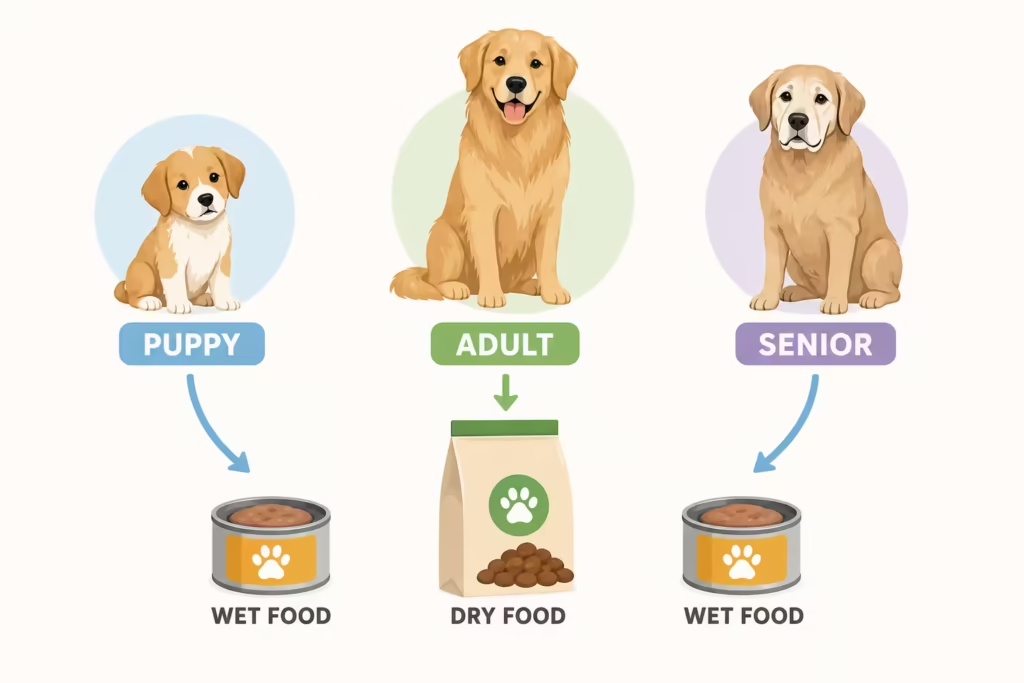
Healthy adult dogs often do perfectly well on high-quality kibble. Puppies may be weaned with soft food, and senior dogs with sore gums or missing teeth will almost always benefit from the switch to a softer, wet diet.
2. Consider Health Conditions
Does your dog have kidney or urinary issues? The extra hydration from wet food can be a huge help. Are you managing your dog’s weight? Calorie-dense kibble can sometimes be easier to portion precisely.
3. Evaluate Your Budget and Lifestyle
Be realistic about cost and convenience. If you have a busy household or use an automatic feeder, the ease of kibble is a major advantage. If you have multiple large dogs, the cost difference between wet and dry food can be substantial.
4. Talk to Your Veterinarian
This is the most important step. Your vet knows your dog’s health history and can provide a personalized recommendation based on their specific needs, especially if they have any underlying medical conditions.
The Best of Both Worlds: Mixing Wet and Dry Food
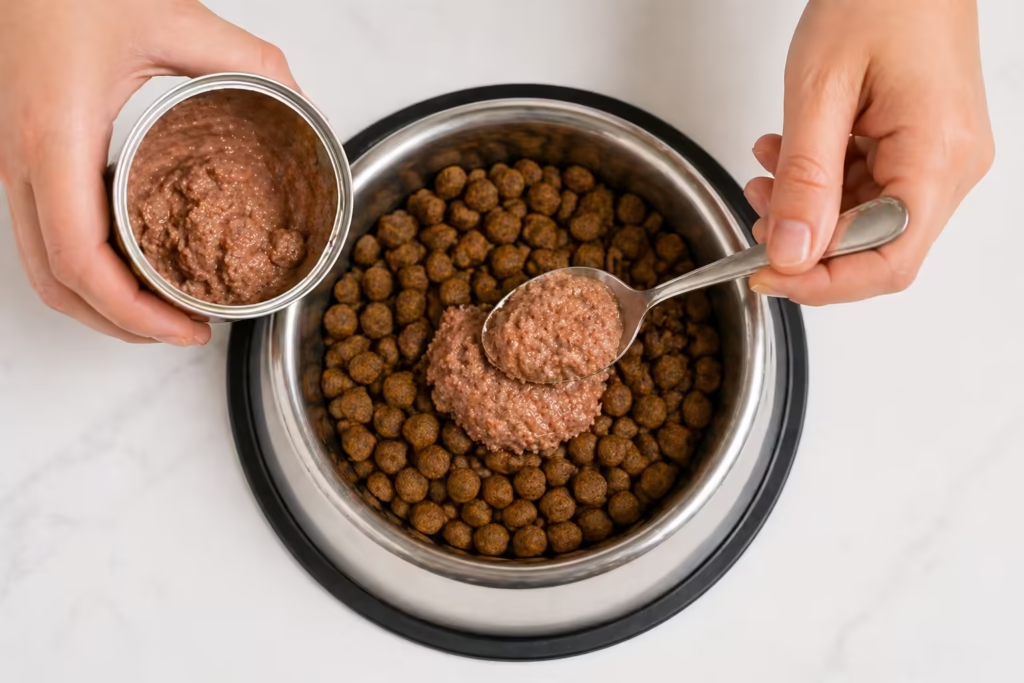
You don’t have to choose just one. Many owners find that mixing wet and dry food offers a perfect compromise. It can increase the palatability of kibble for a picky eater, add beneficial moisture to their diet, and make a can of expensive wet food last longer.
How to Safely Mix Foods
The key to mixing is to avoid overfeeding. Use wet food as a ‘topper’ rather than an extra meal. If you add a quarter-cup of wet food, you must remove a calorically equivalent amount of kibble from their daily portion. When introducing any new food, do it gradually over 7-10 days to allow your dog’s digestive system to adjust and prevent stomach upset.
Your Next Steps
The best food for your dog is the one they do well on that fits your budget and lifestyle. Whether you choose wet, dry, or a combination, focusing on quality ingredients and a complete nutritional profile is what truly matters. Now that you understand the differences, you can dig deeper into how to choose a specific dog food brand, figure out proper portions by learning how much to feed your dog, and brush up on the fundamentals of pet nutrition basics.
Frequently Asked Questions
Is wet food better for older dogs?
Often, yes. Senior dogs may have dental pain that makes chewing kibble difficult. Wet food is softer and its strong aroma can also encourage seniors with a diminished sense of smell to eat.
Does dry food actually clean my dog’s teeth?
The abrasive action of chewing kibble can help scrape away some plaque, but it is not a substitute for regular brushing and professional dental cleanings. Think of it as a small daily help, not a complete solution.
How do I switch my dog from one food type to another?
Transition slowly over 7-10 days. Start by mixing a small amount of the new food (about 25%) with the old food (75%). Gradually increase the new food and decrease the old food every couple of days until you’ve fully switched.
How long can you leave wet dog food out?
You should discard any uneaten wet food after a maximum of 4 hours at room temperature, but it’s safest to pick it up after about 30 minutes. Once a can is opened, it must be covered and refrigerated for up to 3 days.
Which is more expensive, wet or dry dog food?
On a per-calorie basis, wet food is almost always more expensive than dry food due to its higher meat content, manufacturing process, and heavier packaging.