


Dealing with an aggressive cat is stressful and concerning for any pet owner. Aggression is a complex behavior, but it’s almost always a form of communication rooted in fear, pain, or stress—not malice. Understanding the ‘why’ behind the hissing, swatting, or biting is the first step toward resolving the issue and ensuring the safety of both your family and your feline friend. This guide will walk you through identifying the type of aggression, its common causes, and a safe, step-by-step plan to manage it. Your immediate priority should be safety and consulting a veterinarian to rule out underlying medical problems.
According to veterinary behavior experts, sudden aggression in cats is often linked to fear, pain, stress, or underlying medical conditions rather than “bad behavior.” Early intervention and proper behavioral assessment can significantly improve outcomes.
Quick Answer: What Should I Do About Cat Aggression?
Cat aggression refers to hostile or threatening behaviors such as hissing, growling, swatting, chasing, or biting. It is a symptom of an underlying issue, not a personality trait. The most important first step is to schedule a check-up with your veterinarian to rule out medical causes like pain, neurological issues, or hormonal imbalances. Never punish your cat for aggression, as this will increase their fear and likely worsen the behavior. While you investigate the cause, focus on safely managing the environment to prevent injuries.
Understanding the Types of Cat Aggression
Cat aggression is usually a defensive or stress-related behavior triggered by fear, pain, territorial conflict, overstimulation, or frustration. Identifying the type of aggression is essential for choosing the right management approach. Here are the most common types seen by veterinarians and behaviorists:

-
- Fear-Based Aggression: Occurs when a cat feels threatened and cannot escape. Body language includes crouching, flattened ears, hissing, and a tucked tail.
- Territorial Aggression: Directed at other animals (or sometimes people) perceived as intruders in their territory. Often triggered by the introduction of a new pet.
- Redirected Aggression: The cat is agitated by a stimulus it cannot reach (like a cat outside the window) and directs its aggression toward a nearby person or pet.
- Pain-Induced Aggression: A defensive reaction when a cat is in pain, either from an injury or an underlying illness, and is touched or approached.
- Play Aggression: Most common in young cats, this involves behaviors like stalking, pouncing, and biting during play. It becomes a problem when the cat hasn’t learned to inhibit its bite.
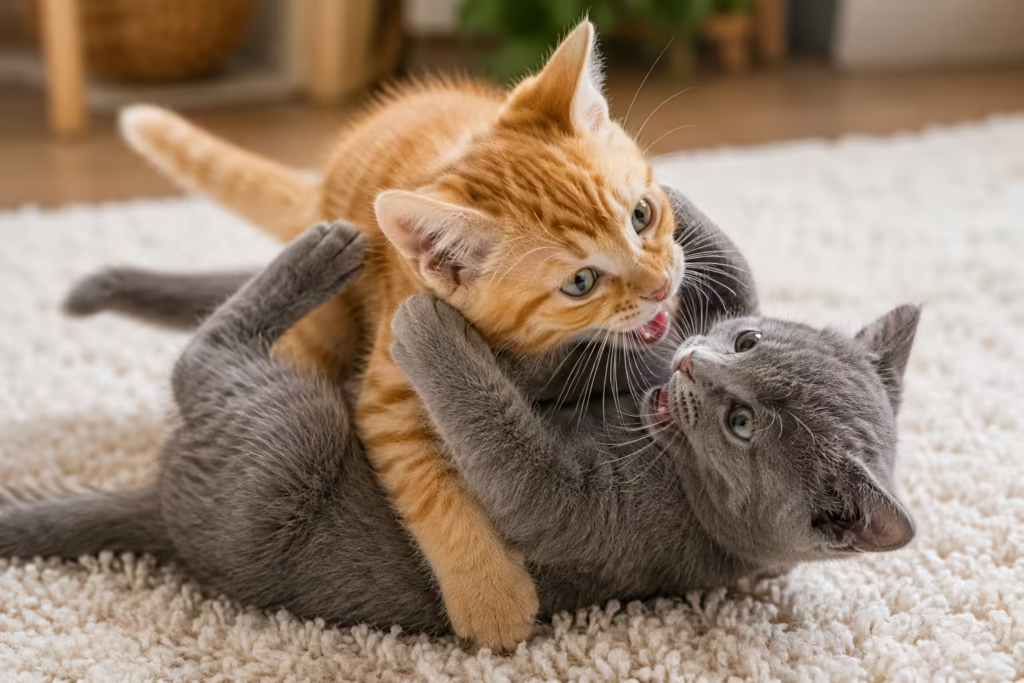
- Petting-Induced Aggression: The cat suddenly bites or swats during what seemed to be an enjoyable petting session. It’s often a sign they are overstimulated.
Many cats tolerate petting longer than they actually enjoy it. Subtle signs like tail flicking, skin twitching, flattened ears, or sudden body tension often appear before a bite or swat occurs.
A Step-by-Step Guide to Managing Cat Aggression
Managing aggression requires patience and a systematic approach. Follow these steps to address the behavior safely and effectively.
Step 1: Consult Your Veterinarian
Your first and most critical step. Many sudden behavioral changes are linked to hidden pain or illness. A vet can perform a full physical exam to rule out medical problems before you proceed with behavioral modification.
Step 2: Identify Triggers and Observe Body Language
Keep a journal of when the aggression occurs. What happened right before? Who was involved? Where did it happen? Recognizing patterns and understanding the subtle signs of pet stress can help you avoid or manage triggering situations.
Step 3: Modify the Environment to Reduce Stress
Create a calmer, more secure environment. Ensure there are plenty of resources (food bowls, water, litter boxes, beds) to prevent competition in multi-cat homes. Add vertical spaces like cat trees and hiding spots to give your cat a sense of security and control.

Step 4: Know When to Seek Professional Help
If the aggression is severe, you cannot identify the cause, or the behavior isn’t improving, it’s time to contact a professional. Look for a Certified Applied Animal Behaviorist (CAAB) or a board-certified veterinary behaviorist (DACVB).
When Cat Aggression Becomes Serious
You should contact a veterinarian or veterinary behaviorist immediately if your cat:
- Suddenly becomes aggressive without warning
- Causes deep bites or injuries
- Shows aggression alongside changes in appetite or mobility
- Appears disoriented or unusually fearful
- Cannot be safely handled at home
Severe or escalating aggression may indicate pain, neurological disease, chronic anxiety, or significant environmental stress.
What NOT to Do: Common Mistakes to Avoid
Your reaction to aggression can either help or hurt the situation. Avoid these common mistakes:

- Do NOT punish the cat: Shouting, hitting, or using a spray bottle will only increase fear and anxiety, potentially making aggression worse.
- Do NOT corner or stare at the cat: This is perceived as a threat and can escalate a fearful cat’s defensive response.
- Do NOT try to physically intervene in a cat fight: You are very likely to be seriously injured through redirected aggression. Use a loud noise or an object like a piece of cardboard to separate them safely.
- Do NOT assume the cat will ‘get over it’: Aggression is a serious issue that rarely resolves on its own and often worsens without intervention.
Persistent aggression can be a sign of deeper behavioral issues like chronic anxiety. There are many cat anxiety treatment options available that a vet or behaviorist can recommend.
Frequently Asked Questions About Cat Aggression
Why is my cat suddenly aggressive towards me?
Sudden aggression is a major red flag for pain or illness. Conditions like arthritis, dental disease, or injury can make a cat lash out when touched or approached. Other causes include a stressful event, a change in the home, or redirected aggression from an outdoor stimulus. Your first call should always be to your veterinarian.
Can cat aggression be cured or just managed?
Some forms of cat aggression can be resolved completely, especially when caused by pain or medical conditions. Behavioral aggression is more commonly managed through environmental changes, stress reduction, and behavior modification.
How do I stop my cats from fighting with each other?
Safely separate the cats into different areas of the house so they can’t see or reach each other. Ensure each cat has their own food, water, litter box, and toys. Once things are calm, begin a slow, gradual reintroduction process. If fighting is severe, consult a veterinary behaviorist for a specific plan.
Is play aggression normal in kittens?
Yes, it’s a normal part of how kittens learn social skills and hunting behaviors. However, it’s your job to teach them boundaries. Never use your hands or feet as toys. Instead, redirect their pouncing, biting, and scratching onto appropriate toys like wands or stuffed mice.
What’s the difference between a cat playing and fighting?
Watch the body language and listen for sounds. Play is usually silent, with relaxed bodies, gentle biting, and claws sheathed. The cats may take turns chasing each other. Real fighting is loud, involving hissing, growling, or screaming. The cats’ bodies will be tense, fur may be puffed out, and their goal is to cause harm.
Does neutering or spaying help with cat aggression?
Yes, it can be very effective, especially for hormonally-driven behaviors. Neutering male cats can significantly reduce roaming, fighting with other males, and territorial spraying. While it is not a guaranteed cure for all types of aggression, it is a crucial step in managing behavior problems and is recommended for your cat’s overall health.