
Choosing the right dog food can feel overwhelming with countless brands on the shelf, each promising optimal health. This guide simplifies the process into a clear, step-by-step framework. We’ll help you make an informed decision based on nutritional science and your dog’s unique needs, so you can feel confident in what you’re putting in their bowl.
Quick Answer: How to Choose Dog Food
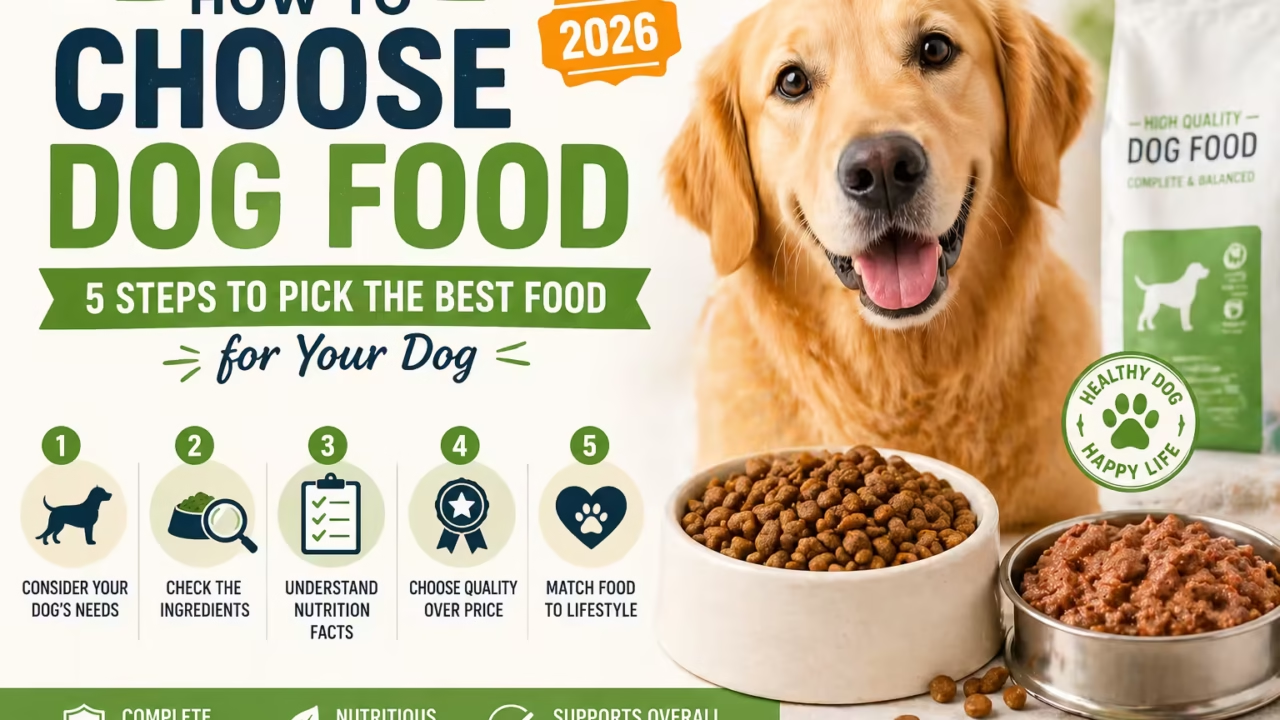
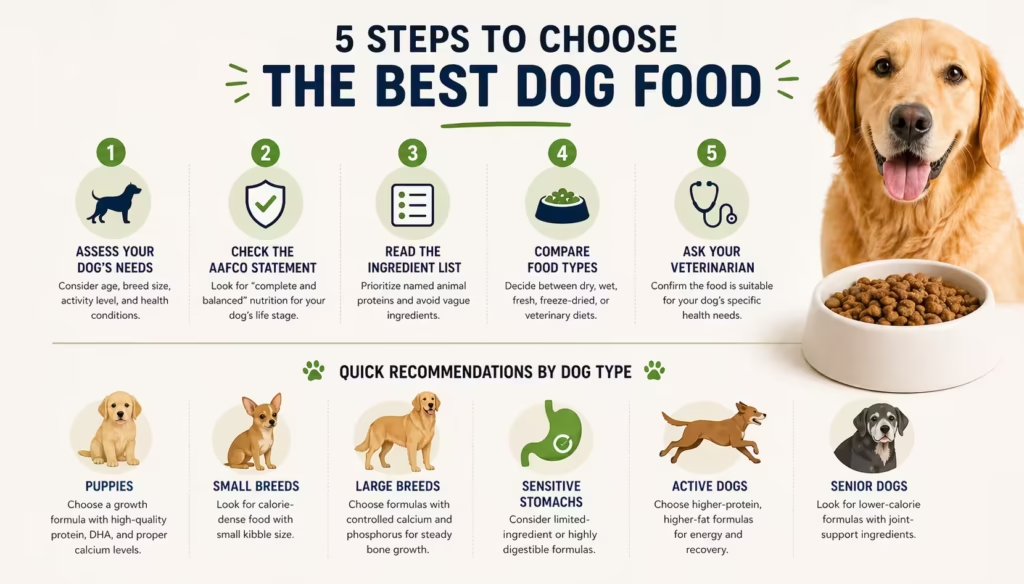
To choose the right dog food, follow these five key steps:
- Assess your dog’s needs: Consider age, breed size, activity level, and health conditions.
- Check the AAFCO statement: Look for “complete and balanced” nutrition for your dog’s life stage.
- Read the ingredient list: Prioritize named animal proteins and avoid vague ingredients.
- Compare food types: Decide between dry, wet, fresh, freeze-dried, or veterinary diets.
- Ask your veterinarian: Confirm the food is suitable for your dog’s specific health needs.
Quick Recommendations by Dog Type
- Puppies: Choose a growth formula with high-quality protein, DHA, and proper calcium levels.
- Small breeds: Look for calorie-dense food with small kibble size.
- Large breeds: Choose formulas with controlled calcium and phosphorus for steady bone growth.
- Sensitive stomachs: Consider limited-ingredient or highly digestible formulas.
- Active dogs: Choose higher-protein, higher-fat formulas for energy and recovery.
- Senior dogs: Look for lower-calorie formulas with joint-support ingredients.
Step 1: Assess Your Dog’s Individual Needs
The best food is one that is tailored to your dog. Before you even start looking at brands or ingredients, take a moment to evaluate these core factors about your own pet.
Life Stage (Age)
A dog’s nutritional requirements change dramatically as they age. Look for formulas specifically designed for their current life stage.

- Puppies: Need more calories, protein, and specific nutrients like DHA for healthy brain and eye development.
- Adults: Require balanced maintenance formulas to support a healthy weight, muscle mass, and consistent energy level.
- Seniors: Often benefit from lower-calorie diets to prevent weight gain and may include ingredients like glucosamine to support aging joints.
Breed Size
Size-specific formulas are not just a marketing gimmick. Small breeds need calorie-dense food in smaller kibble sizes to prevent hypoglycemia and choking. Large and giant breed puppies have very specific needs; their food must have controlled levels of calcium and phosphorus to support steady, healthy bone growth and prevent developmental orthopedic diseases.
Activity Level & Health Conditions
A lazy lap dog has very different energy needs than a canine athlete who joins you for daily runs. Highly active or working dogs may need performance formulas with more protein and fat. Likewise, dogs with diagnosed allergies, sensitive stomachs, kidney disease, or other health issues require specialized therapeutic diets that should only be chosen with a veterinarian’s recommendation.
Step 2: How to Read a Dog Food Label
The dog food bag is packed with crucial information that can help you look past the flashy marketing. Here’s what to focus on.
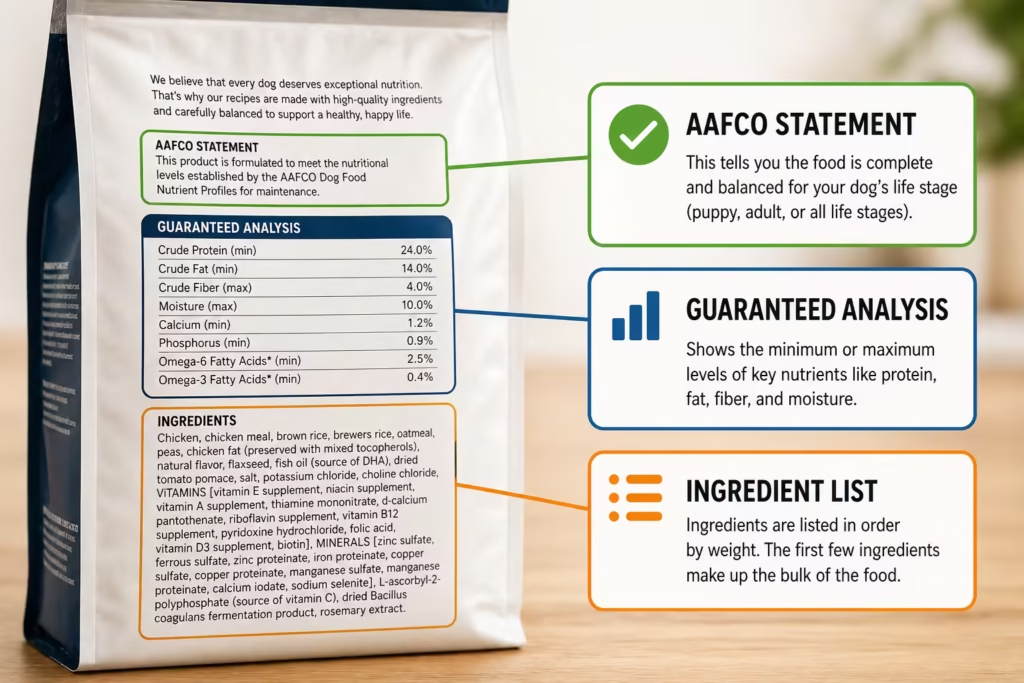
The AAFCO Nutritional Adequacy Statement
This is arguably the most important piece of information on the entire package. The Association of American Feed Control Officials (AAFCO) sets nutritional standards for pet foods. The AAFCO statement confirms the food is “complete and balanced” for a specific life stage (e.g., “for maintenance,” “for growth,” or “for all life stages”). Without this statement, you have no guarantee the food meets your dog’s basic nutritional needs. For a deeper understanding, review these pet nutrition basics.
| Factor | What to Look For |
|---|---|
| Protein | Named animal source such as chicken, beef, lamb, or salmon |
| Fat | Healthy fats such as chicken fat or fish oil |
| Carbohydrates | Whole-food sources such as rice, oats, barley, or sweet potato |
| Additives | Avoid artificial colors, flavors, and chemical preservatives |
| AAFCO Statement | Look for “complete and balanced” for your dog’s life stage |
Guaranteed Analysis
This chart lists the minimum percentages of crude protein and fat, along with the maximum percentages of fiber and moisture. While it’s useful for making a rough comparison between different products, it doesn’t reveal the quality or digestibility of those nutrients. A high protein percentage from a low-quality source is not better than a slightly lower percentage from a high-quality, digestible source.
Step 3: Analyze the Ingredient List
Ingredients are listed by weight before cooking, so the first five give you the best picture of what the food is primarily made of. Here’s what to look for and what to avoid.
Look for High-Quality Proteins
The first ingredient should always be a named, high-quality animal source, such as ‘deboned chicken,’ ‘lamb,’ ‘beef,’ or ‘salmon.’ Be cautious of vague, generic terms like ‘meat and bone meal’ or ‘animal by-products,’ which can come from inconsistent and lower-quality sources.

Identify Healthy Fats and Carbohydrates
Fats provide energy and are essential for a healthy coat and skin. Look for named fat sources like ‘chicken fat’ or ‘sunflower oil.’ Complex carbohydrates from whole foods like sweet potatoes, brown rice, barley, and peas provide sustained energy and important fiber for digestive health.
What to Avoid in Dog Food
Steer clear of foods that are heavy on low-quality ingredients or potentially harmful additives. Red flags include:
- Artificial colors, flavors, or preservatives (e.g., BHA, BHT, ethoxyquin).
- Unnamed or generic meat sources like ‘meat meal’.
- Excessive fillers like corn, wheat, and soy, especially when they appear in the first few ingredients.
- Added sweeteners like corn syrup, which provide empty calories.
Step 4: Consider Different Types of Dog Food
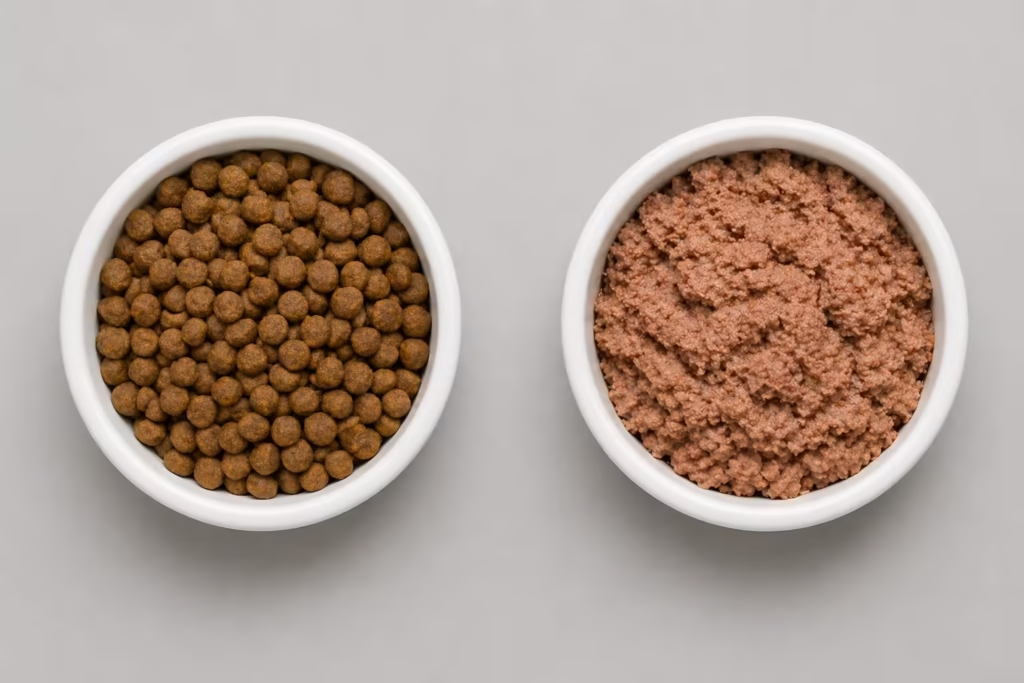
The most common choice is between dry kibble and wet (canned) food, each with its own pros and cons related to cost, storage, convenience, and palatability. For a detailed breakdown, see our guide to wet vs dry dog food. Other options like fresh-cooked, freeze-dried, or raw diets are also growing in popularity, but they often come at a higher price point and require careful research and veterinary consultation to ensure they are nutritionally balanced.
Step 5: Talk to Your Veterinarian
Your veterinarian is your most valuable and trustworthy resource. They know your dog’s complete health history, lifestyle, and any underlying conditions. Before making a final decision or switching foods, always discuss your choice with them. They can provide personalized recommendations that go beyond the label and help you find the perfect fit for your companion.
Recommended Dog Food Guides
If you are ready to compare specific options, start with these guides:
More Dog Nutrition Resources
Choosing a food is the first step. Proper feeding and safety are just as important. Learn more with our expert guides:
- Feeding Guide: Find out the right dog feeding amounts for your pet’s size and age.
- Safety First: Review our list of dangerous foods for dogs to keep your companion safe from household hazards.
Frequently Asked Questions
How do I know if a dog food is good quality?
A good quality dog food will have a named meat source as the first ingredient, an AAFCO statement confirming it’s ‘complete and balanced’ for your dog’s life stage, and will be free from artificial colors, flavors, and preservatives.
Should I choose grain-free dog food?
Not necessarily. Most dogs digest grains well. Grain-free diets have been linked by the FDA to a potential risk of a heart condition called DCM. Unless your dog has a veterinarian-diagnosed grain allergy, a grain-inclusive diet is generally a safe and healthy choice.
How do I switch my dog to a new food?
Transition to a new food gradually over 7-10 days. Start by mixing a small amount of the new food (25%) with the old food (75%), and slowly increase the proportion of new food every few days until you are feeding 100% of the new diet.
Is expensive dog food always better?
Not always. Price can be influenced by marketing, packaging, and exotic ingredients. Focus on the quality of the primary ingredients and the AAFCO statement rather than the price tag alone. A mid-range food with excellent ingredients is often better than a pricey one with marketing hype.
What’s more important: the brand or the ingredients?
The ingredients and nutritional adequacy are more important. While reputable brands often have better quality control and conduct more research, the ingredient list and the AAFCO statement are the best indicators of a food’s suitability for your dog.