
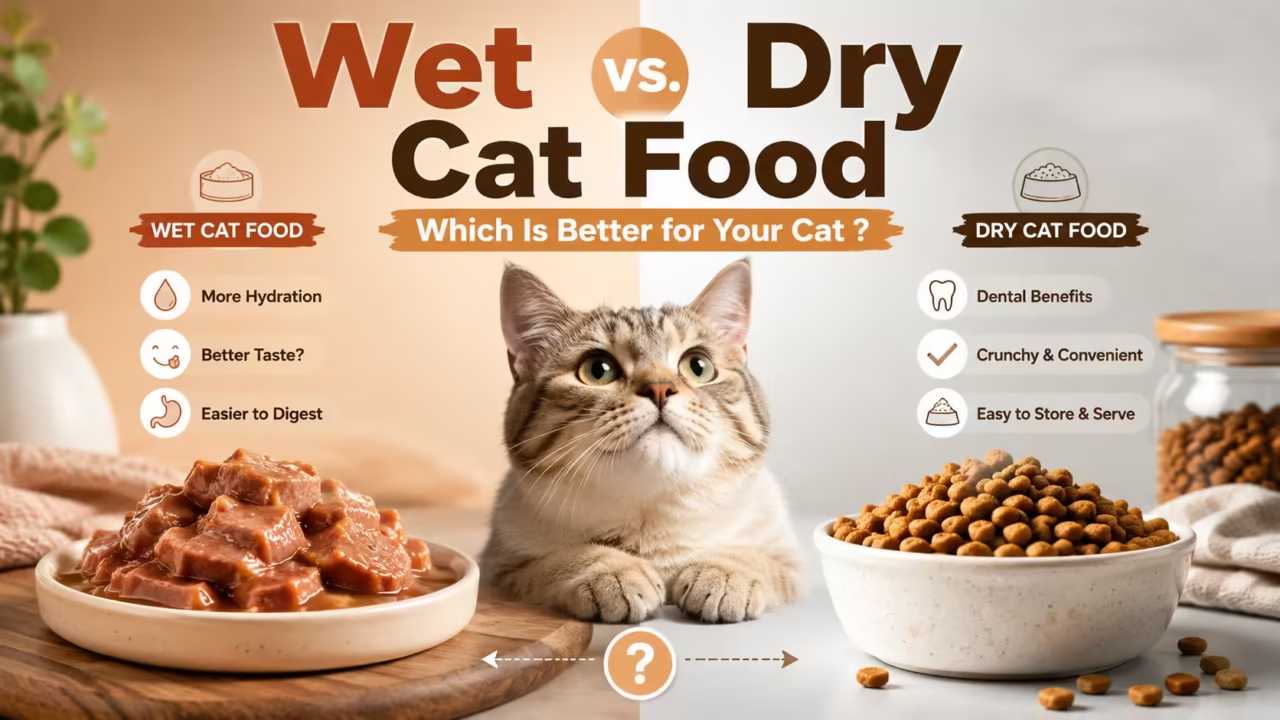
Wet cat food is generally healthier for most cats because it provides better hydration, higher animal protein content, and better urinary support. However, dry cat food can still be a practical option for convenience, affordability, and free-feeding.
The best choice depends on your cat’s age, health condition, hydration habits, weight goals, and lifestyle. Many veterinarians recommend a mixed-feeding approach to combine the benefits of both.
Quick Recommendation
There’s no single ‘best’ food for all cats, but there are clear scenarios where one type is generally better. Use this as a starting point:
- Choose Wet Food for: Cats needing better hydration (common in all cats), those with urinary or kidney issues, overweight cats (promotes fullness), and picky eaters.
- Choose Dry Food for: Budget-conscious owners, convenience (can be left out for free-feeding), and cats who prefer crunchy textures. Dental benefits are minimal unless using a specific, professionally recommended dental formula.
- Consider a Mix of Both for: A balanced approach that provides the hydration benefits of wet food and the cost-effectiveness and convenience of dry food.
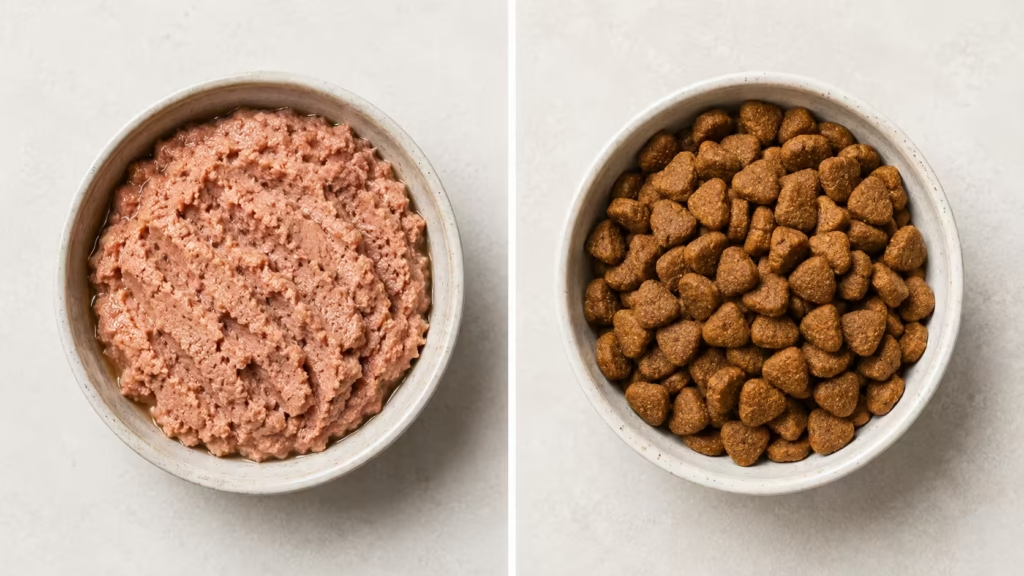
Wet vs. Dry Cat Food: A Head-to-Head Comparison
Here’s how wet and dry cat food stack up against the most important factors for your cat’s health.
| Factor | Wet Food | Dry Food (Kibble) |
|---|---|---|
| Hydration | Excellent (70-80% moisture) | Poor (approx. 10% moisture) |
| Caloric Density | Lower | Higher |
| Protein & Fat | Often higher in protein and fat, lower in carbs | Often higher in carbohydrates |
| Palatability | High; preferred by most cats | Moderate to high |
| Convenience | Lower; requires refrigeration after opening | High; easy to store and serve |
| Cost Per Calorie | Higher | Lower |
| Shelf Life | Short once opened (hours) | Long (weeks) |
The Pros and Cons of Wet Cat Food
Wet food is a fantastic choice for many cats, especially due to its high moisture content, which mimics a cat’s natural prey diet. Here’s a closer look.
-
- Pro: Superior Hydration. Cats are notoriously poor drinkers. The high moisture in wet food helps prevent urinary tract issues and supports kidney health by keeping them properly hydrated.
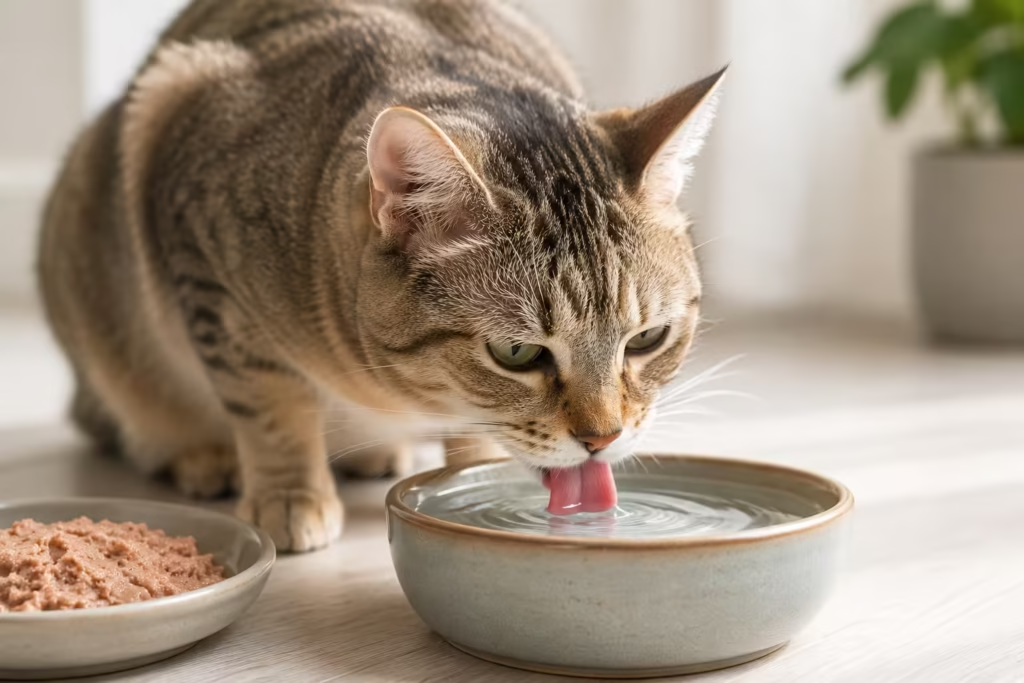
- Pro: High Palatability. The strong aroma and soft texture entice even picky eaters. Warming it slightly can make it even more appealing.
- Pro: Lower in Carbohydrates. It more closely aligns with a cat’s carnivorous needs, which can help with weight management by promoting a feeling of fullness with fewer calories.
- Con: Higher Cost. Wet food is generally more expensive per serving than dry food, which can add up quickly.
- Con: Shorter Shelf Life. It must be refrigerated and used quickly after opening. You can’t leave it out for long periods. See our FAQ for safety guidelines.
- Con: Can Be Messy. Requires more cleanup of bowls and feeding areas compared to kibble.
The Pros and Cons of Dry Cat Food (Kibble)
Dry food, or kibble, is the most popular choice for its convenience and affordability, but it has significant nutritional trade-offs.
- Pro: Cost-Effective & Convenient. Kibble is easier on the budget and simple to store, measure, and serve.
- Pro: Good for Free-Feeding. It can be left out for cats who prefer to graze throughout the day without spoiling, which suits some cats’ natural eating patterns.
- Pro: Dental Abrasion (Myth vs. Reality). While many believe kibble cleans teeth, the effect is minimal for most foods. Only specific dental diets approved by the Veterinary Oral Health Council (VOHC) are proven to be effective at reducing plaque and tartar.
- Con: Low Moisture Content. This is the biggest drawback. It does not provide adequate hydration and can contribute to chronic, low-level dehydration, potentially increasing the risk of urinary and kidney problems over time.
- Con: Higher in Carbohydrates. Dry foods often contain more carbohydrate-based binders and fillers than wet food, which can contribute to obesity and is less ideal for a cat’s biology. For a deeper dive, see our guide to pet nutrition basics.
- Con: Lower Palatability. Some cats, particularly as they age, find kibble less appealing than the strong scent and soft texture of wet food.
How to Read the Label: A Guide to Quality Ingredients
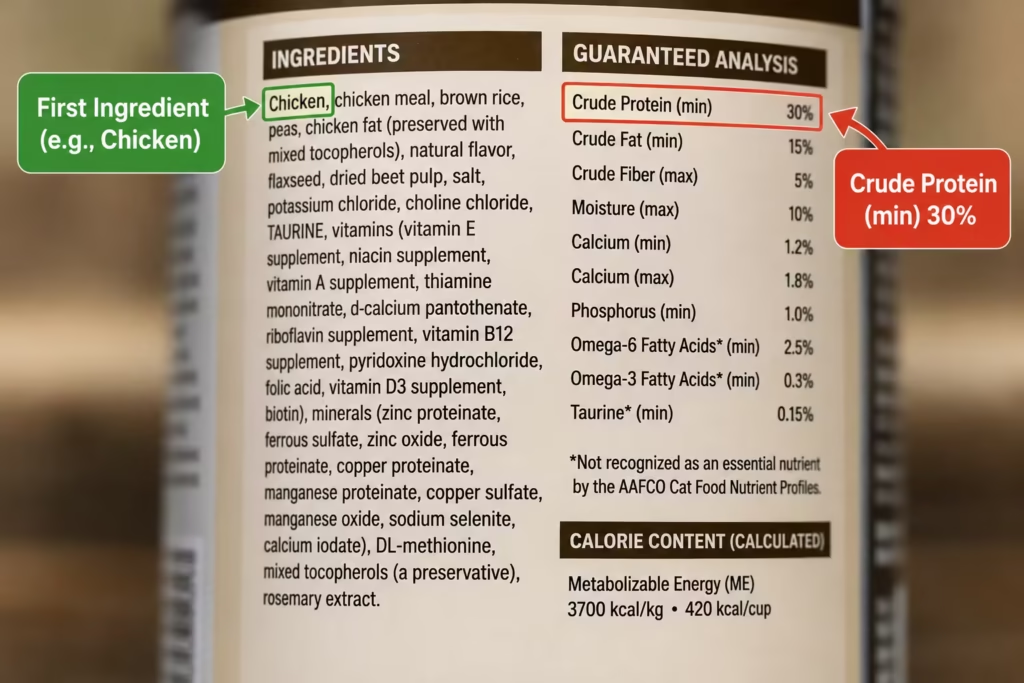
Regardless of whether you choose wet or dry, the quality of the ingredients is paramount. Here’s what to look for on the label.
According to WSAVA and AAFCO feeding guidelines, cat foods should be labeled as “complete and balanced” for a specific life stage to ensure they meet essential nutritional requirements for growth, maintenance, or senior health.
Protein First, Always
Look for a named meat source (e.g., ‘chicken,’ ‘salmon,’ ‘beef,’ ‘tuna’) as the very first ingredient. Avoid vague terms like ‘meat by-products’ or ‘poultry meal’ in the top spot, as they can be of lower quality and digestibility.
Carbohydrates & Fillers
Cats are obligate carnivores and have a limited biological need for carbohydrates. Check for high quantities of fillers like corn, wheat, and soy. While not inherently harmful in small amounts, they should not dominate the ingredient list over animal-based proteins.
Life Stage Appropriateness
Ensure the food is formulated for your cat’s life stage, indicated by an AAFCO (Association of American Feed Control Officials) statement. Kittens, adults, and seniors have different nutritional needs. For instance, growing cats need the specific nutrient profiles found in the best kitten food formulas.
Can I Mix Wet and Dry Cat Food? The ‘Best of Both Worlds’ Approach
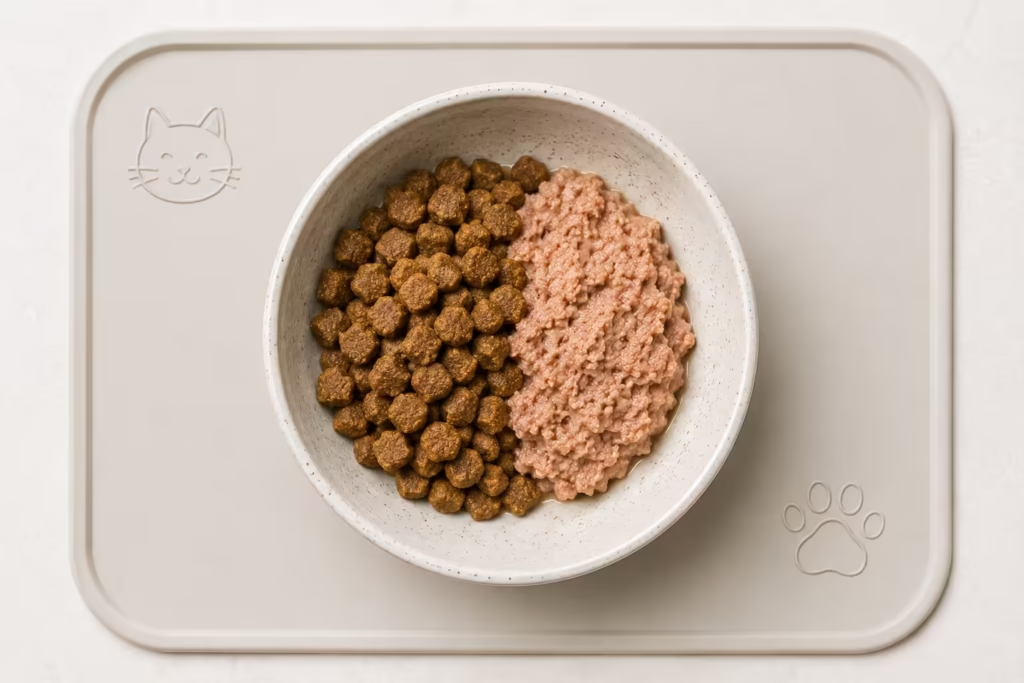
Yes! Mixed feeding is an excellent strategy that many veterinarians and nutritionists support. It offers the hydration and palatability of wet food with the cost-savings and convenience of dry food. To do it correctly, ensure you are not overfeeding. Calculate the total daily calories your cat needs and split it between the two food types. For example, you might serve a small meal of wet food in the morning and evening, leaving a measured amount of kibble out for grazing during the day. Learn more about portioning in our guide to cat feeding amounts to get it right.
How to Safely Switch Your Cat’s Food
Abrupt food changes can cause digestive upset like vomiting or diarrhea. To avoid this, transition your cat to a new food slowly over 7-10 days. Safety Note: Always consult your veterinarian before making a significant change to your cat’s diet, especially if they have existing health conditions. Never introduce known toxic foods for cats into their diet.
Transition Schedule:
- Days 1-2: 75% old food, 25% new food.
- Days 3-4: 50% old food, 50% new food.
- Days 5-6: 25% old food, 75% new food.
- Day 7+: 100% new food.
Frequently Asked Questions
Is wet food bad for a cat’s teeth?
No, wet food is not bad for a cat’s teeth. Standard dry kibble does not effectively clean teeth for most cats. Proper dental care usually requires brushing, professional cleanings, or VOHC-approved dental diets and treats.
How long can I leave wet cat food out?
You should discard any uneaten wet food after 1 to 2 hours at room temperature. In a warmer room, this time should be even shorter. Bacteria can multiply rapidly on moist food, posing a health risk to your cat.
Is it okay to only feed my cat dry food?
While many cats eat only dry food, it’s not considered ideal by many veterinary nutritionists due to its low moisture content. If you feed only kibble, you must be extra vigilant about encouraging your cat to drink water. Consider using a cat water fountain and providing multiple water bowls throughout the house.
Does dry food make cats dehydrated?
A diet of only dry food can contribute to a state of chronic, low-level dehydration. Cats have a low thirst drive and evolved to get most of their water from their prey. Dry food is about 10% moisture, while their natural prey is over 70%. This deficit can strain the kidneys and increase the risk for urinary tract problems over a cat’s lifetime.
Can kittens eat both wet and dry food?
Yes, feeding kittens a mix of both is a great idea. It provides the high-moisture benefits of wet food while also acquainting them with the texture of kibble. This can help prevent pickiness later in life and give you more flexibility.
Why is my cat suddenly a picky eater?
Sudden pickiness can have several causes. It could be simple boredom with their current food, but it can also signal a medical issue like dental pain, nausea, or other underlying illness. A recent change in the food’s formula by the manufacturer can also be a cause. If your cat’s eating habits change suddenly and persist, a check-up with your veterinarian is always the best next step.